
Last updated November 2, 2026
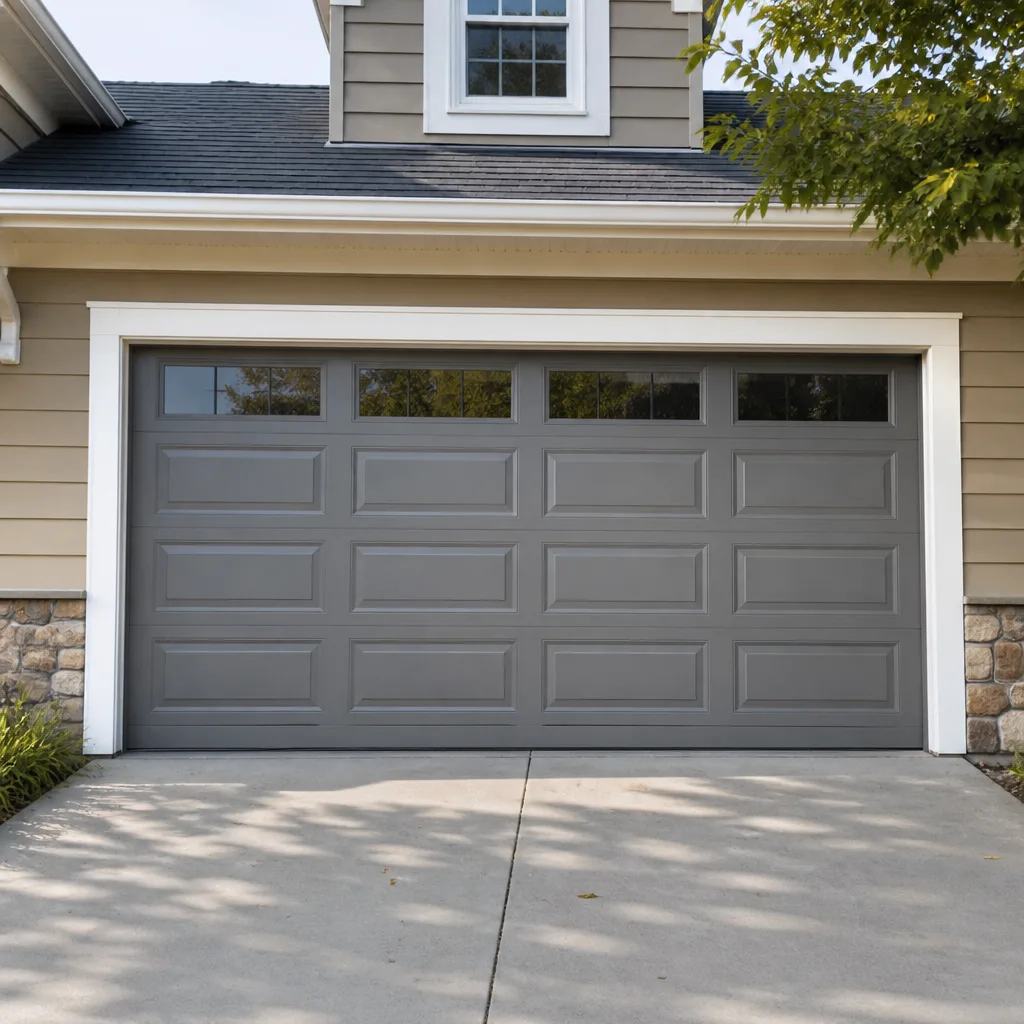 Raised-panel steel
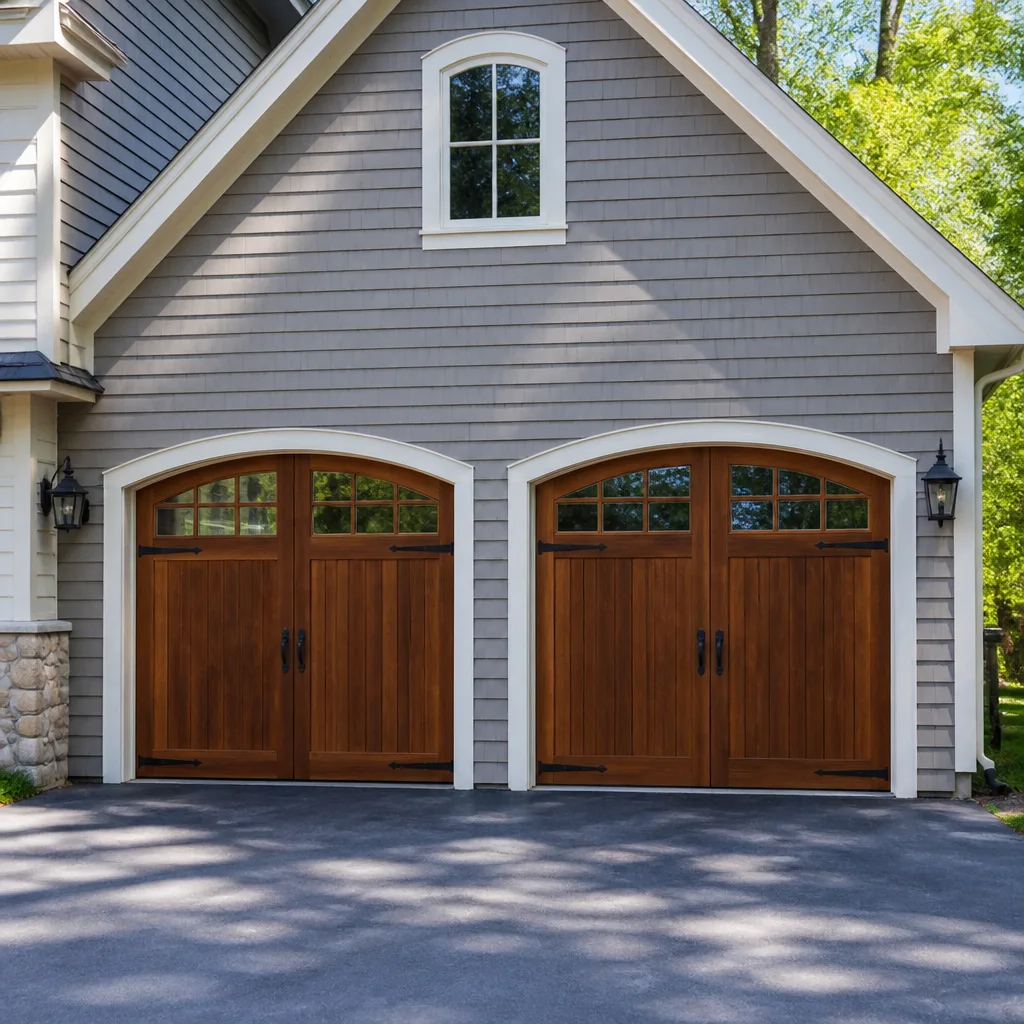 Carriage house
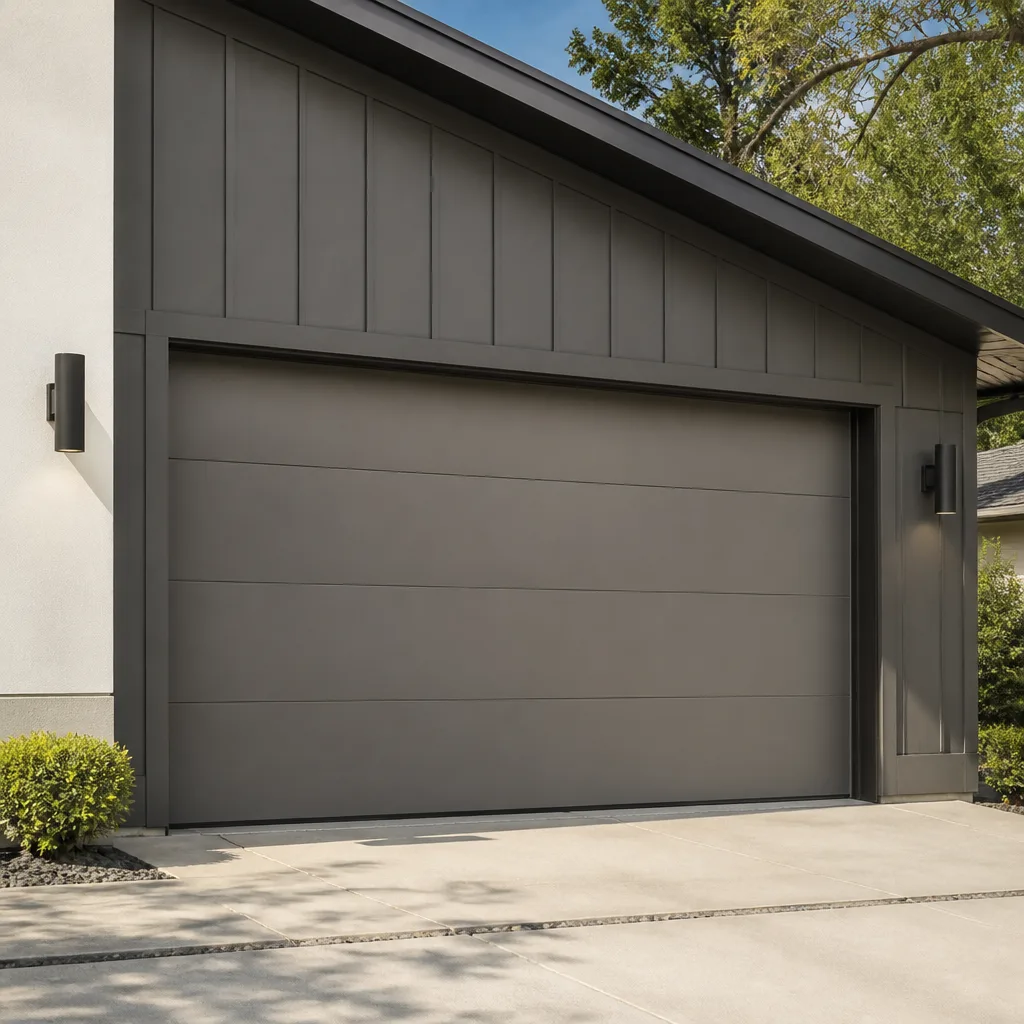 Modern flush
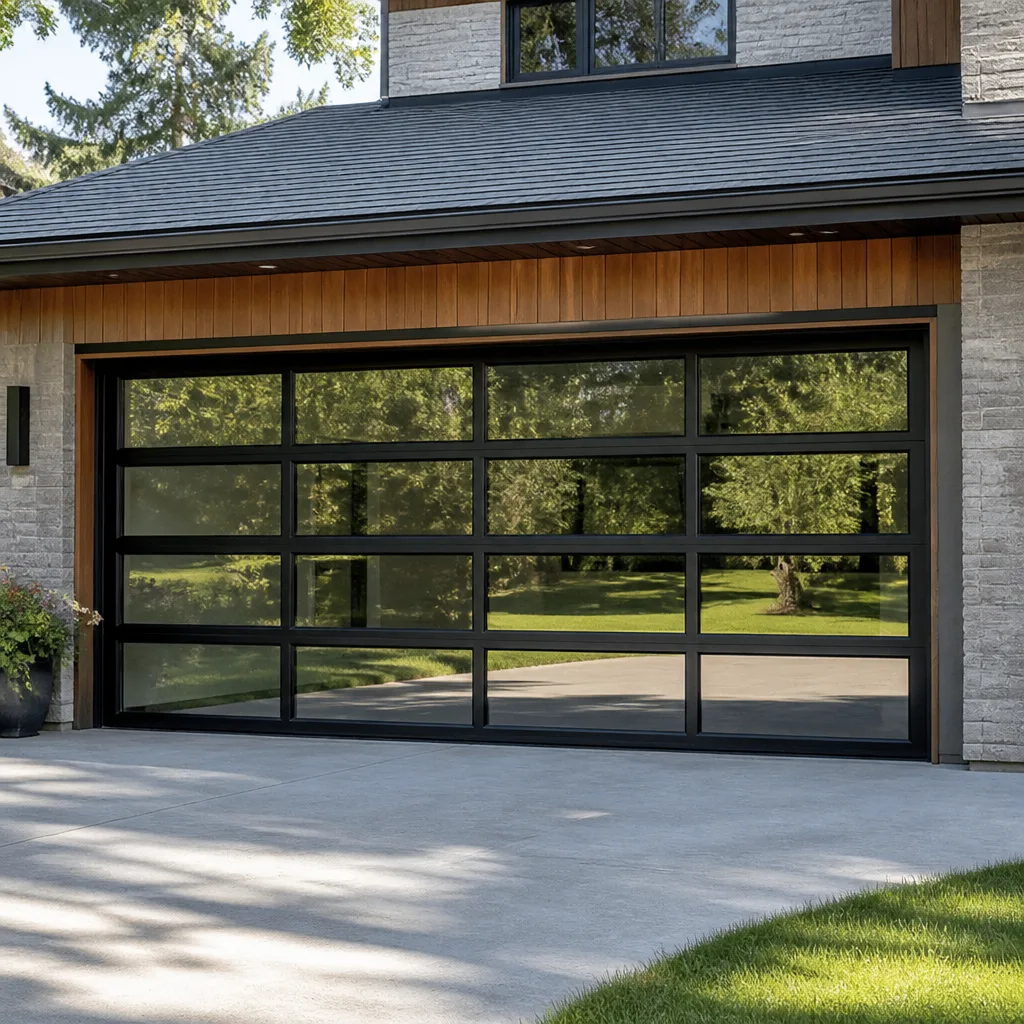 Full-view glass
 LiftMaster openers
 Chamberlain openers
Full 25-point door and opener safety check with every visit - springs, cables, rollers, tracks, and your LiftMaster or Chamberlain opener included
You get a price before we start. It does not change when the truck arrives.
Get your free estimateGarage Door Permits, Codes & Inspections in CA: What You Need to Know
In Pomona, we’ve watched more than one home sale hit a stall because the garage door didn’t match the county’s records. It sounds minor until you realize California treats an unpermitted garage door swap as an unpermitted structural modification, and that’s exactly the kind of thing a buyer’s inspector flags during escrow. Permits are cheap compared to the cost of retroactive compliance. This guide walks through the actual California code sections, the Pomona-specific amendments, what inspectors look for, and how to fix missing paperwork if you already made the change. For Garage Door Warning Signs: A Pomona Homeowner’s Reference Guide, see our related resource.
Styles & brands we work with
- Raised-panel steel
- Carriage house
- Modern flush
- Full-view glass
- LiftMaster openers
- Chamberlain openers
Quick Answer
In California, replacing a garage door with the same size and type typically does not require a permit, but changing the opening size, adding a new opening, or altering structural framing does under California Residential Code (CRC) Section R105.1. A like-for-like swap of door panels, tracks, or springs needs no city approval in Pomona, but anything that touches the header, jamb studs, or foundation anchorage triggers the permit process.
Table of Contents
- When California Requires a Garage Door Permit
- The Like-for-Like Exemption: What It Actually Covers
- Pomona’s Local Amendments to the California Residential Code
- Seismic Bracing Requirements Most Homeowners Miss
- How to Retroactively Permit Garage Door Work in Los Angeles County
- Contractor Responsibility vs. Homeowner Responsibility
- Common Mistakes to Avoid
- When to Call a Professional
- Frequently Asked Questions
- The Bottom Line
When California Requires a Garage Door Permit
CRC Section R105.1 is the starting point: any construction or alteration of a building requires a permit unless explicitly exempted. A garage door replacement falls under “alteration” when the work modifies the structure, opening, or load path. That means if your project involves resizing the rough opening, cutting into a shear wall, relocating the header, or adding a new door where none existed, you’re in permit territory. No ambiguity there.
Here’s the clearer breakdown of when a permit is required in California:
- Changing the rough opening size: Widening for a larger door, narrowing for a smaller one, or raising the header for more clearance all require a permit. The header carries roof and wall load, and changing it affects the structural integrity of the front wall.
- Adding a new garage door opening: Cutting a new opening in an existing wall requires a permit and an engineer’s review of the proposed header and shear bracing. This is not a handyman job.
- Converting a carport to a garage: Enclosing the space with a garage door triggers full building permit review, including foundation anchorage and braced wall panel requirements.
- Structural repairs around the opening: If termite damage or rot has compromised the jamb studs and you’re replacing them, that’s structural work and needs inspection.
- Replacing a non-rated door with a fire-rated door (or vice versa): The separation between garage and living space is regulated under CRC Table R302.6. Changing the wall assembly’s fire rating requires review.
What doesn’t trigger a permit? Replacing panels, springs, rollers, tracks, and openers on an existing opening of the same size. That’s classified as repair and maintenance under Section R105.2 (“Work exempt from permit”), item 2. Our technicians at Garage Door Repair in Pomona handle these swaps daily without a trip to City Hall.
The Like-for-Like Exemption: What It Actually Covers
The exemption exists because swapping a Clopay door for another Clopay door of the same dimensions doesn’t change the building’s structural behavior. The header sees the same load, the shear panels perform the same, and the anchorage points haven’t moved. CRC Section R105.2 lists “repairs” as exempt when they replace existing work with similar materials for the same purpose.
The practical definition of like-for-like in Pomona:
- Same rough opening dimensions: Width and height of the hole in the wall don’t change. The new door panel set fits the existing opening without reframing.
- Same structural configuration: The header, king studs, and trimmers stay in place. You’re not moving anything that carries load.
- Same door type and operation: Sectional for sectional, roll-up for roll-up. A standard lift from a Wayne Dalton 9100 to an Amarr Lincoln works fine. Switching from a sectional to a carriage-style side-hinged door may require different anchorage and should be reviewed.
- No electrical service changes: Replacing the opener motor itself is fine. Running a new dedicated circuit or relocating the receptacle is an electrical permit item, not exempt under the door provisions.
One nuance most guides miss: the weight of the new door. If you’re swapping a lightweight aluminum door for a heavy wood-grain composite from Amarr or a solid-core Clopay, and the existing spring and track system can’t support the added weight, you’ll be replacing the counterbalance system anyway. That’s still repair work, not a permit trigger, but it changes the scope and the quote. We tell customers in Pomona to confirm the door weight rating during the measure before committing to a panel-only swap. If issues arise, consult our Garage Door Repair Troubleshooting: Common Problems and How to Fix Them.
Pomona’s Local Amendments to the California Residential Code
California is one of the few states that adopts a statewide residential code, but cities can amend it. Pomona operates under the 2022 California Residential Code with local amendments adopted by the City Council. These amendments don’t rewrite the garage door rules, but they affect the surrounding documents and fees.
Key Pomona specifics to know:
- Plan check requirement: If your project does require a permit, Pomona’s Building Division reviews the structural details before issuing the permit. Expect to submit a site plan, floor plan showing the opening, and a structural detail sheet for the header and bracing. A licensed engineer’s stamp is required if the header span exceeds prescriptive limits.
- Inspections required: A typical permit for a garage door opening change includes at least two inspections in Pomona: a rough framing inspection before the door is installed, and a final inspection after installation and weatherproofing are complete. Scheduling runs through the Building Division’s inspection line.
- Fees: Pomona calculates building permit fees based on project valuation. A garage door opening change is a small structural project; plan review and inspection fees typically run a few hundred dollars. The door itself and labor don’t need to be included in valuation unless you choose to.
- Historical properties: Parts of Pomona, including Lincoln Park and Wilton Heights, have homes that fall under the city’s historic preservation overlay. If your property is on the historic register or in a designated district, any exterior alteration including a garage door replacement of any kind may require a Certificate of Appropriateness first. This is a Pomona-specific requirement that catches people off guard.
- Setback enforcement: If you’re converting a carport to a garage in Pomona, the city will verify front and side yard setbacks during plan review. A carport at the property line can’t become an enclosed garage without triggering variance review.
For full installation work in Pomona, our team at Garage Door Installation in Pomona confirms permit requirements during the initial measure, so you’re not surprised later. We’ve guided homes through this process in neighborhoods from Westmont to Phillips Ranch.
Seismic Bracing Requirements Most Homeowners Miss
Here’s where California deviates from the national conversation. Most online guides about garage door permits are written for states where the biggest concern is wind uplift. In California, the code’s focus is seismic resistance, and garage door openings create a structural weak point in the front wall of the house. The narrow wall segments on either side of the door carry lateral load during an earthquake, and an oversized opening without adequate bracing is how garages collapse in a seismic event.
What an inspector actually checks during a garage door inspection in Pomona:
- Braced wall panel length: CRC Section R602.10 specifies the minimum width of the wall segments flanking the door opening. If your new door is even 6 inches wider than the old one, those segments get narrower and may no longer meet the prescriptive requirement. The fix is often to add a wood structural panel or a metal shear panel to the adjacent wall, but that’s exactly the kind of work that needs a permit and an inspection.
- Header-to-jack-stud connection: In seismic zones, the header must be connected to the jack studs with specific nailed connections per CRC Table R602.3(1). An inspector will verify the connection before the trim goes on. If we’re retroactively permitting an old unpermitted install, this is often the first thing that fails.
- Anchorage of the wall sill to the foundation: The sill plate under the jamb studs needs anchor bolts at specific spacing. Older Pomona homes, particularly those built before the 1970s in the Holt corridor and north Pomona, often lack sufficient anchorage and need retrofit bolts added before the final inspection passes.
- Door track connection points: The ceiling-mounted track for a sectional door must be braced to the ceiling framing with metal straps that resist lateral movement. We’ve seen inspectors red-tag unpermitted jobs where the track hung from single lag screws with no lateral bracing.
This is not a theoretical concern. In Pomona, we sit less than 20 miles from the San Gabriel fault and less than 30 from the San Andreas. The city’s hazard map places most residential areas in a high-risk seismic designation, which is why the inspection requirements here are real, not bureaucratic theater. If your door was installed without a permit and without seismic bracing, the fix is usually straightforward but does require opening the drywall and doing the work correctly. Do not skip it.
How to Retroactively Permit Garage Door Work in Los Angeles County
If you discover that a previous owner swapped out garage doors without a permit, or widened an opening in the 1990s and never told the city, you’re now holding a title issue. Los Angeles County’s process for retroactive permits is called an “as-built” permit, and the Steps are the same whether you’re in Pomona, Claremont, or La Verne.
- Gather what you know. Find any old photos, contractor invoices, or MLS listing photos that show when the work was done. The city wants a timeline. This isn’t a punishment exercise; it establishes whether the work predates current code adoption.
- Prepare an as-built drawing. A simple floor plan showing the garage opening, adjacent wall segments, header size, and door dimensions. If the work is recent and structural, the Building Division in Pomona may require a licensed engineer to verify the header and bracing are adequate for current seismic requirements.
- Submit an as-built permit application. This goes through the same counter as a new permit, but you’ll mark it “as-built” or “legalization.” Pomona’s Building Division handles these routinely. You’ll pay plan review and inspection fees, and possibly a penalty fee that varies by jurisdiction.
- Schedule the inspection. The inspector will open the wall as needed to verify the header, bracing, and anchorage. If the work meets today’s code, you’re done after the final inspection. If it doesn’t, you’ll receive a correction notice listing what needs to be fixed.
- Complete corrections and reinspect. Common corrections on unpermitted Pomona garage work include adding shear panels, retrofitting sill anchor bolts, and replacing undersized headers. The reinspection happens after the corrections are complete.
- Close out the permit. Once final inspection passes, the permit is signed off and the county record is clean. Your home sale can proceed without the title cloud.
In our experience doing Garage Door Service Pomona home repairs across the city, most unpermitted garage doors in Pomona were installed by well-meaning contractors who simply didn’t tell the homeowner a permit was needed. The homeowner then sits with the problem for 15 years and finds out during escrow. The retroactive permit process is slower than getting it right the first time, but it’s not ruinous. Expect a few weeks and a few hundred dollars in fees.
Contractor Responsibility vs. Homeowner Responsibility
This is the part that causes the most friction, and we’ll be direct about it. Under California law, the responsibility for pulling a permit varies depending on who is doing the work.
When you hire a licensed contractor:
- The contractor is legally obligated to pull the permit. California Business and Professions Code Section 7031 and the Contractors State License Board (CSLB) rules are clear: a contractor who performs work requiring a permit must obtain that permit in the contractor’s name. A contractor who performs the work and tells the homeowner to “get the permit yourself” is effectively avoiding their legal responsibility. That’s a red flag with the CSLB.
- The permit protects the contractor too. If an inspector fails the work, the correction falls on the contractor, not the homeowner. A contractor working without a permit has no inspection check on their work, which is how bad framing gets buried behind drywall.
- The homeowner always owns the property, not the process. Even if the contractor pulls the permit, the homeowner is the one who suffers if the permit is never closed. Unpermitted work attaches to the property record, not to the contractor’s license.
When you do the work yourself:
- You’re legally the “owner-builder.” As an owner-builder, you can pull a permit in your own name for work on your own residence. The same code standards apply; there’s no discount for self-installation.
- You’re responsible for passing inspection. If your header is undersized or your shear bracing is wrong, the inspector will fail it and you’ll be fixing it yourself or hiring someone to correct it.
- Liability shifts to you. If you sell the home later and the unpermitted work surfaces, you’ll be negotiating the repair cost or the price reduction with the buyer. We’ve seen $15,000 list-price concessions for improperly permitted garage work in Pomona.
Here’s the honest truth from our side of the counter: a licensed contractor who offers to skip the permit is saving you a few hundred dollars today and risking a title cloud tomorrow. The economics don’t work. And if the job is a simple like-for-like door swap that’s genuinely exempt, there’s nothing to skip anyway. We tell this to every Pomona customer before we start an installation.
Common Mistakes to Avoid
- Assuming all garage door work is permit-free. The most expensive assumption in California real estate. Like-for-like swaps are exempt; opening changes are not. If you don’t know the difference, ask. A five-minute phone call to the Pomona Building Division clears it up.
- Skipping the seismic bracing on a door-size change. Widening a door opening by even a few inches reduces the shear panel on the adjacent wall. Without the required bracing, the work will fail inspection, and an earthquake will test the failure point first.
- Hiring a contractor who won’t pull the permit. In California, that’s the contractor signaling they don’t want their work inspected. The permit is not a tax; it’s a third-party check. A contractor who avoids it is avoiding oversight.
- Not checking for Pomona’s historic overlay before doing exterior work. Several Pomona neighborhoods have additional review requirements beyond the building code. The door you install without a Certificate of Appropriateness could be ordered removed.
- Ignoring the weight difference between old and new doors. Swapping a lightweight aluminum door for a heavy Amarr or Clopay wood-look door without confirming the spring system’s rating is a structural issue in the making. The panels fit; the counterbalance fails.
- Confusing a closed permit with a passed inspection. Passing the final inspection is only step one. The permit must be signed off and the record closed with the city. A permit left open for years creates a title issue that’s messy to resolve.
- Replacing a fire-rated door with a non-rated door on an attached garage. The wall between your garage and your house has a fire-separation requirement under CRC Table R302.6. downgrade that rating without a review and you’ve created a code violation that most buyers’ inspectors will flag immediately.
When to Call a Professional
Here’s the honest test. If your garage door project involves moving a wall, changing an opening, or touching anything structural, you need both a permit and a contractor who understands the seismic requirements. If you bought a Pomona home and discovered the previous owner changed the door size without a permit, call the city’s Building Division first to understand what’s on record, then call a licensed contractor to walk you through the correction process. If the job is a straight replacement of panels, springs, tracks, or an opener, the work is exempt and the main decision is which door fits your needs. We work on the brand already in your garage, whether it’s Clopay, Amarr, Wayne Dalton, or Craftsman, and we diagnose the door side and the opener side separately. Garage Door Opener Repair in Pomona offers free estimates in Pomona. Call (866) 282-7068 and we’ll tell you clearly whether your project needs a permit or not before anyone touches the door.
Frequently Asked Questions
No. A like-for-like replacement, where the rough opening dimensions, structural configuration, and door type stay the same, is exempt from permit requirements under California Residential Code Section R105.2. This covers panel replacements, spring swaps, track replacements, and opener changes. Call (866) 282-7068 if you want confirmation on your specific situation before we start.
A garage door permit in Pomona, when one is required due to an opening change or structural work, typically costs a few hundred dollars in plan review and inspection fees for a small residential project. The exact amount depends on the project valuation and the specifics of your property. The permit fee is minor compared to the cost of retroactive compliance or a home-sale concession.
Yes. Los Angeles County and the City of Pomona both process as-built permits for work completed without a permit. You’ll submit an application, provide an as-built drawing, schedule an inspection, and correct anything that doesn’t meet current seismic and structural code. The process typically takes a few weeks and it clears the title cloud on your home.
A California garage door inspection checks the header size and connection, the braced wall panel length on each side of the opening, the sill anchor bolts, the fire separation rating on attached garages, and the lateral bracing of the overhead track. In Pomona, the seismic requirements are strictly enforced because of the city’s high-risk seismic designation.
In California, a licensed contractor is legally obligated to pull the permit in their own name when the work requires one. A contractor who asks the homeowner to pull the permit or to skip it entirely is violating CSLB rules and is a red flag. For owner-builder projects, the homeowner pulls the permit and takes responsibility for passing inspection.
Yes. Homes in Pomona’s designated historic districts, including parts of Lincoln Park and Wilton Heights, may require a Certificate of Appropriateness before exterior work, including garage door replacement, can proceed. The historic review is separate from the building permit and is specific to Pomona. Check with the city’s Planning Division if your home is on or near the historic register.
The Bottom Line
The California garage door permit question has a clear answer: same-size swaps are exempt, opening changes are not. The gray areas come from seismic bracing requirements, Pomona’s local amendments, and the difference between a closed permit and a passed inspection. If you’re replacing what’s already there, proceed without city paperwork but choose your door and installation carefully. If you’re changing anything structural, get a licensed contractor, pull the permit, and let the city verify the work. The cost of doing it right the first time is a fraction of what it costs to fix later. Written by the team at Garage Door Service Pomona, serving Pomona since 2016. Explore more guides & resources on our blog.
See the difference
 Before
 After
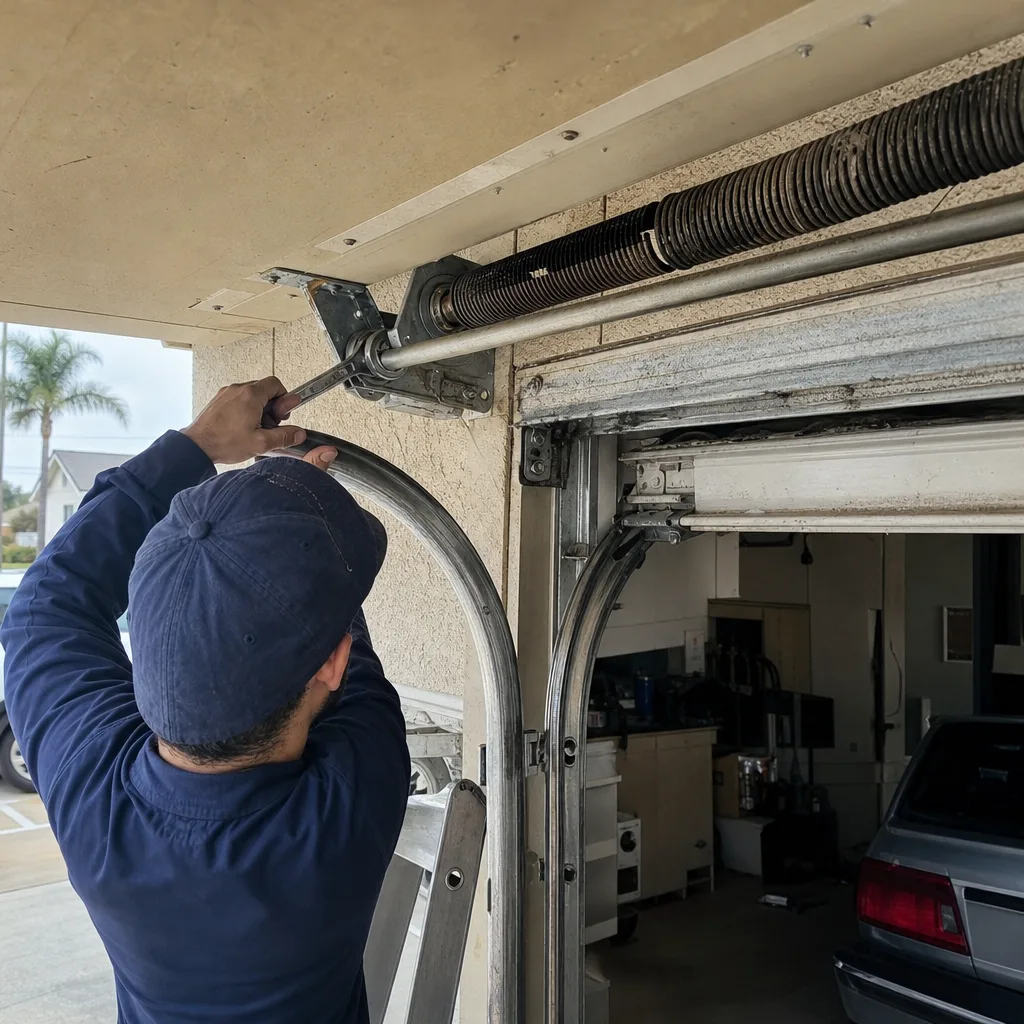 Before
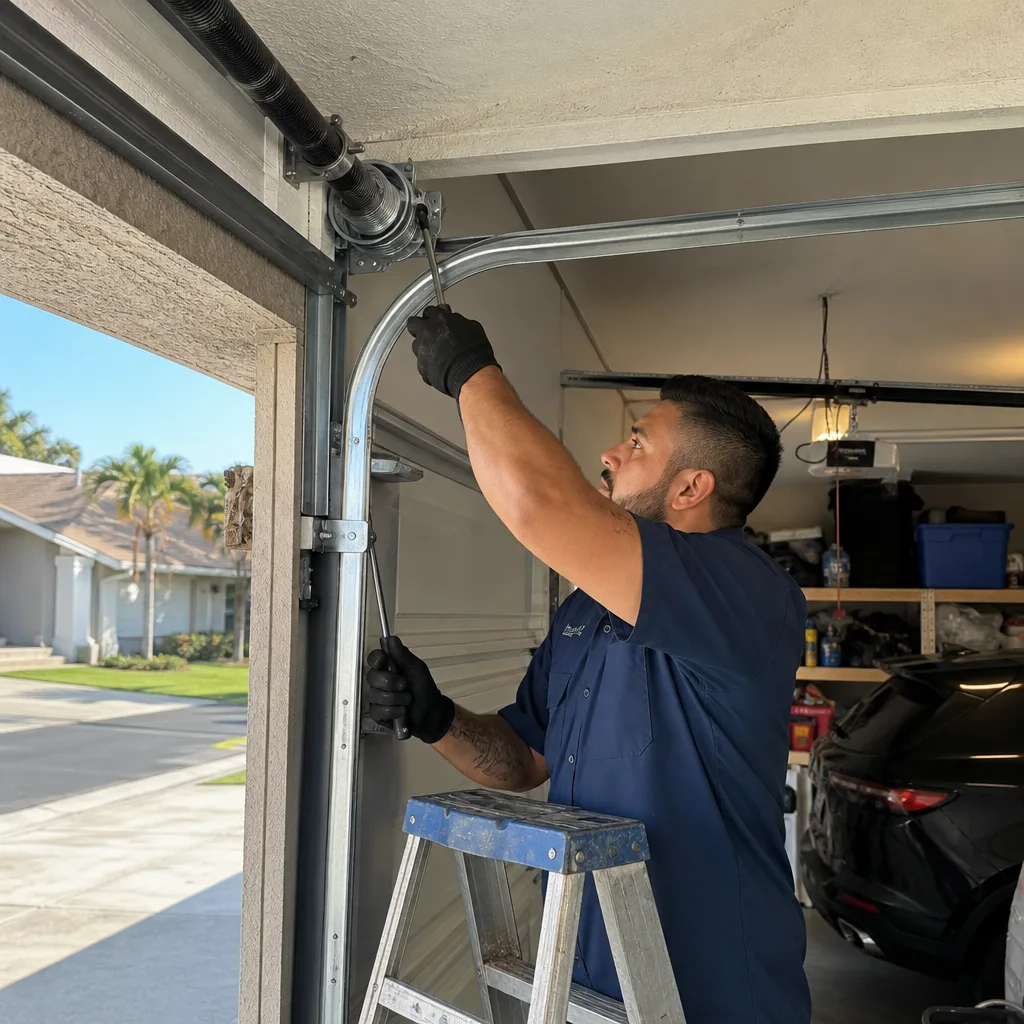 After
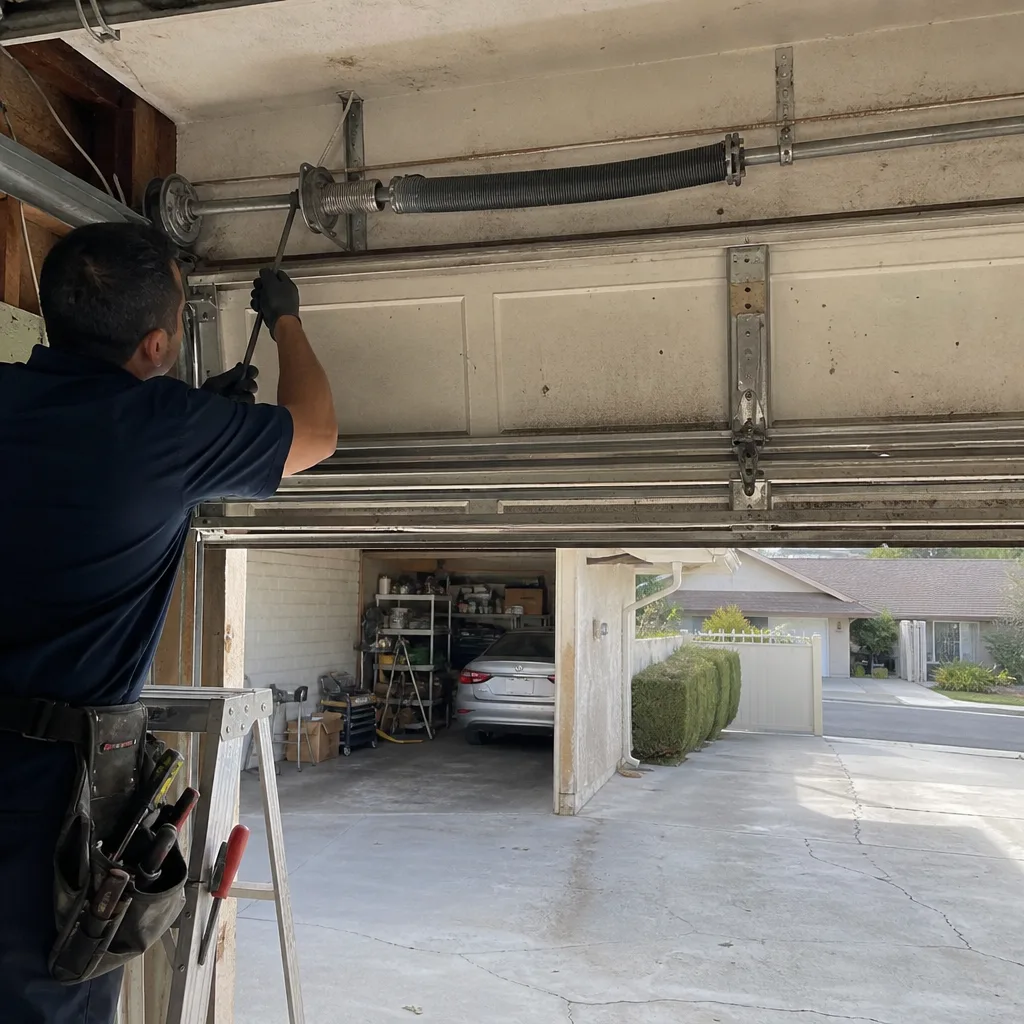 Before
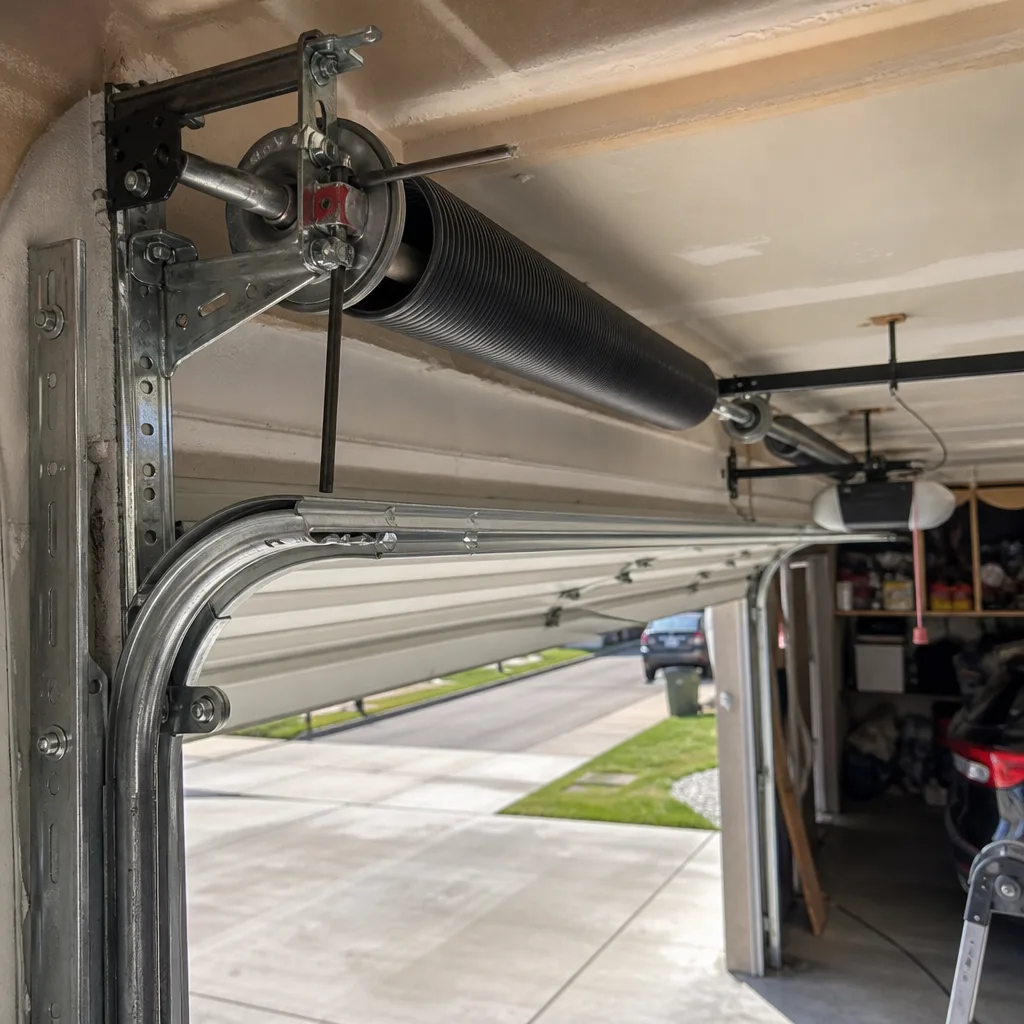 After