
Last updated November 2, 2026
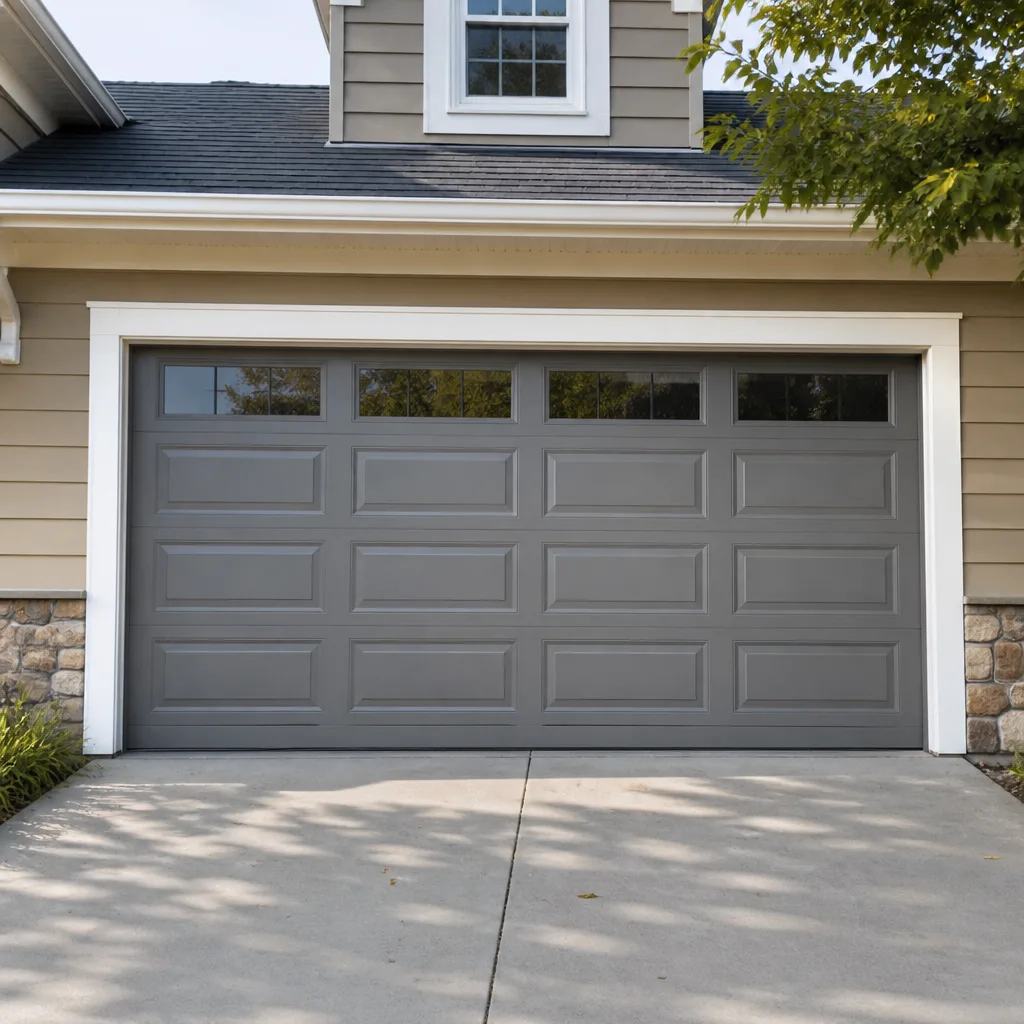 Raised-panel steel
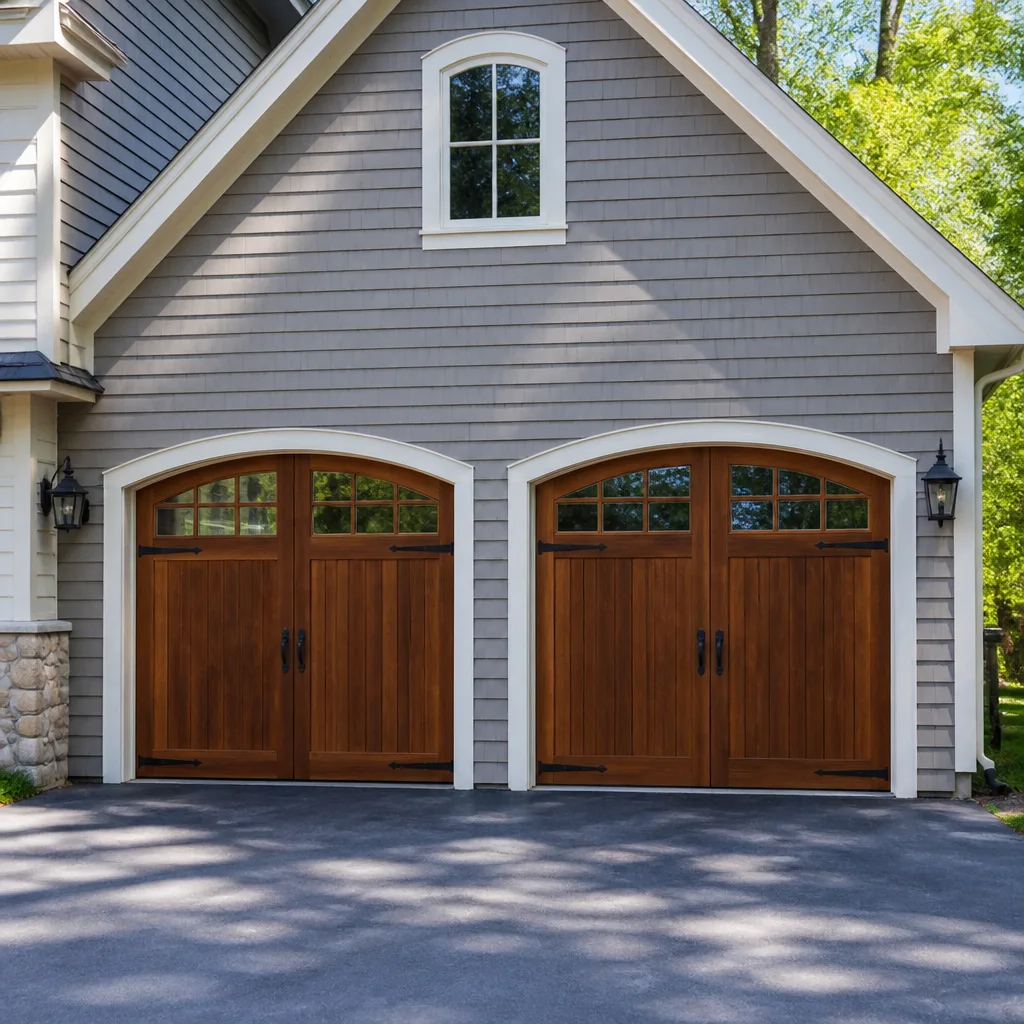 Carriage house
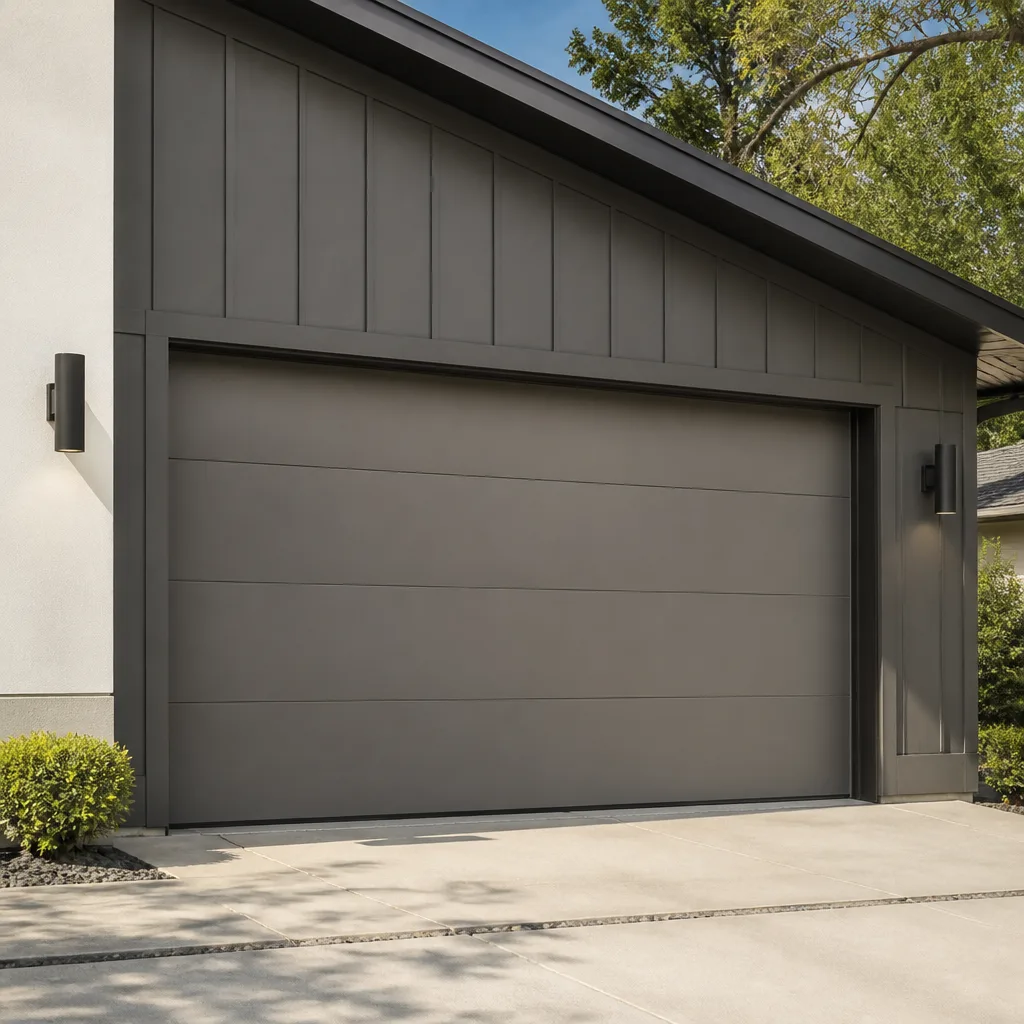 Modern flush
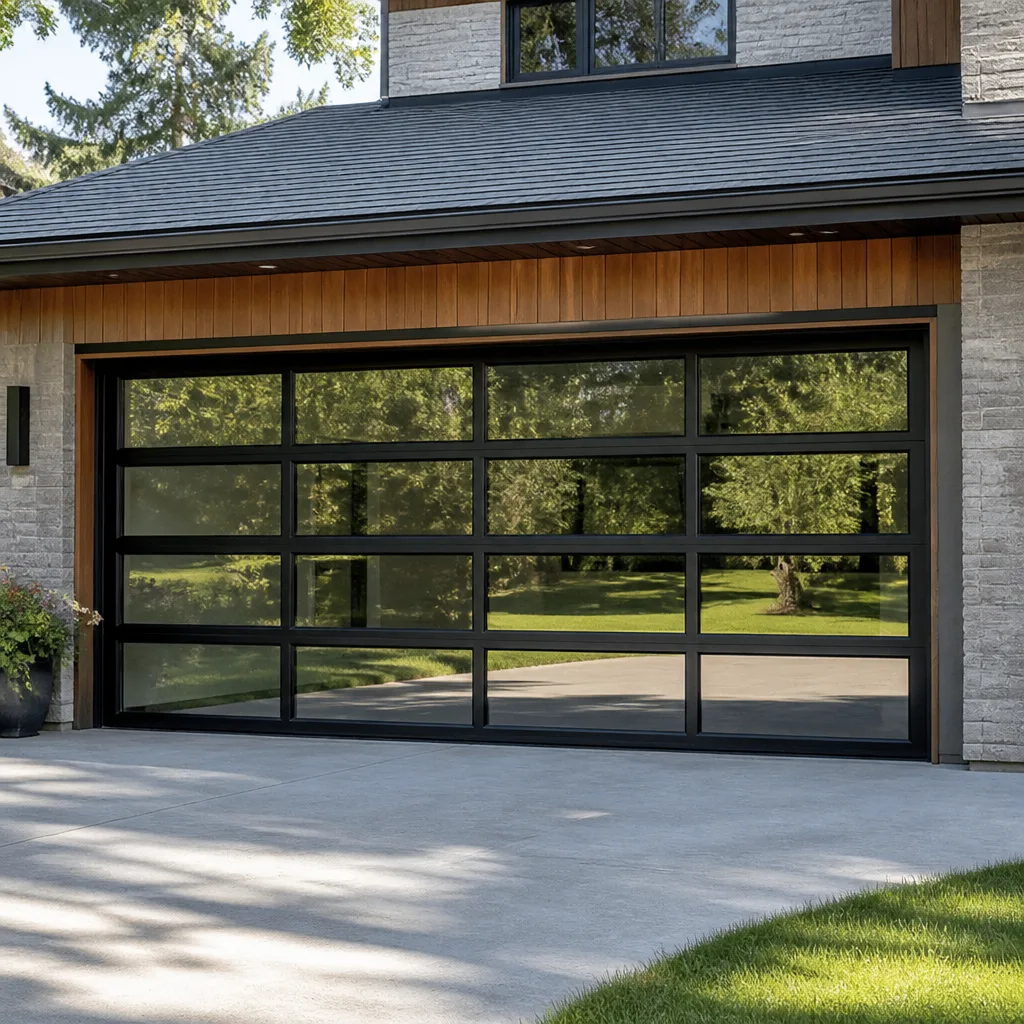 Full-view glass
 LiftMaster openers
 Chamberlain openers
Full 25-point door and opener safety check with every visit - springs, cables, rollers, tracks, and your LiftMaster or Chamberlain opener included
You get a price before we start. It does not change when the truck arrives.
Get your free estimateGarage Door Warning Signs: A Pomona Homeowner’s Reference Guide
Your garage door is the largest moving object in your home, and in Pomona it cycles hundreds of times a month through heat, dust, and the grit that blows down from the San Gabriel foothills. Here’s the counterintuitive part: most garage doors don’t fail suddenly. They send out warning signals for weeks or even months beforehand, and homeowners write them off as quirks. That grinding sound at 7 a.m.? That’s not normal. The door pausing halfway up? Also not normal. This guide covers every major warning sign a Pomona homeowner is likely to encounter, what each one means at the component level, and which ones you can schedule around versus which need immediate attention. For more help, see our guide on How to Hire a Garage Door Contractor in Pomona: A Step-by-Step Guide.
Styles & brands we work with
- Raised-panel steel
- Carriage house
- Modern flush
- Full-view glass
- LiftMaster openers
- Chamberlain openers
Quick Answer
The most common garage door warning signs in Pomona are grinding or squealing sounds, slow or jerky movement, a door that sits unevenly against the floor, slack in one cable, and delayed response from the opener. Most of these point to failing springs, worn rollers, or opener drive issues, and they get more expensive to fix the longer they’re ignored. Any sign involving a broken or visibly damaged torsion spring means stop using the door and call a professional immediately.
Table of Contents
- Sounds That Mean Something: A Diagnostic Guide
- Visual Cues You’re Probably Missing
- Performance Changes That Signal Trouble
- Schedule an Appointment vs. Stop Using the Door Now
- The Specific Risks of Torsion Spring Wear
- Opener Warning Signs: When It’s the Motor, Not the Door
- Pomona-Specific Factors That Accelerate Wear
- Common Mistakes to Avoid
- When to Call a Professional
- Frequently Asked Questions
- The Bottom Line
Sounds That Mean Something: A Diagnostic Guide
Your garage door has a vocabulary, and once you learn it, you’ll catch problems months before they strand you in the driveway. Every sound a door makes corresponds to a specific component working harder than it should, and each one has a different urgency level. Here’s what we hear most often in Pomona homes, and what each sound actually means.
Grinding: Metal on Metal, No Lubrication
A grinding sound is almost always rollers running dry against the track, or a chain-drive opener whose chain has gone slack. Metal-on-metal friction generates heat, and heat accelerates wear on both the roller bearings and the track itself. If you hear grinding from the door panels, the rollers are the culprit. If it comes from the opener unit above, the chain or drive gear is the problem. Left unaddressed, a dry roller will eventually seize and drag, which stresses the hinges and can bend a track section.
Squealing: High-Friction Warning
Squealing is higher-pitched than grinding and usually points to roller bearings failing, or a belt-drive opener with a tension issue. In Pomona’s dry climate, roller bearings can lose their internal lubrication faster than in coastal areas because the arid air accelerates evaporation of the factory grease. We see a lot of Chamberlain and LiftMaster openers in Pomona garages with squealing belts where the tensioner has shifted slightly. A quick tension adjustment and roller replacement resolves it before the belt or rollers fail entirely.
Popping: The Spring Telling You It’s Dying
A sharp popping sound when the door moves is one of the most misunderstood warnings. That pop is a spring coil shifting as it unwinds and re-winds under tension. Torsion springs don’t snap silently, they announce themselves first through small pops and creaks during the cycle. If you hear this sound more than once in a week, schedule a spring inspection. A torsion spring that’s visibly degrading is a safety issue, and we’ll cover that in detail below.
Rattling: Loose Hardware
Rattling means something has come loose: hinge bolts, roller brackets, track mounting bolts, or panel fasteners. Garage doors cycle under enormous vibration, and over time, nuts and bolts walk themselves loose. A rattling door is annoying, but more importantly, loose hardware means the door is not evenly distributing its weight across the frame. One loose hinge becomes two, then a panel starts to sag, then the door binds. Tightening the hardware is a simple fix when caught early.
Visual Cues You’re Probably Missing
You don’t need to hear anything to catch a failing garage door. Some of the clearest warning signs are visible, but they’re subtle enough that most Pomona homeowners walk past them every single day. Here are the visual checks worth doing monthly, and what each finding indicates.
The Uneven Floor Gap
Close your door and look at the bottom edge where it meets the garage floor. If the gap is wider on one side than the other, you’ve got a spring imbalance. One spring is doing more work than the other, and the door is literally hanging crooked. This uneven weight distribution puts extra strain on the opener, the hinges, and the tracks, and it’s the single most common precursor to a snapped cable. Fix it before it becomes a two-spring and two-cable job.
Slack in One Cable
Look at the cables on either side of the door. They should be taut. If one has visible slack, even a quarter-inch, that’s a red flag. Slack means the spring on that side has lost tension or the drum is slipping, and the door is now relying on the remaining spring and the opener to hold it up. A cable that goes slack while the door is open can jump the drum, and when that happens, the door can come down hard. In Pomona, we see this frequently in older Raynor and Craftsman doors that have been in service for 10 to 15 years.
Bubbling or Rust at the Bottom Panel
Paint bubbling near the bottom panel is not a cosmetic issue. Water is getting inside the panel, which means the weather seal is failing or the panel has developed a hairline crack. In Pomona’s occasional heavy winter rains, this moisture accelerates rust on the steel backing and rots the panel from the inside. A bubbled panel is structurally compromised, and the damage only spreads upward. This is also a signal to check the floor seal and consider whether the door needs bottom-panel replacement or full replacement if the damage is extensive.
Visible Spring Gap or Space
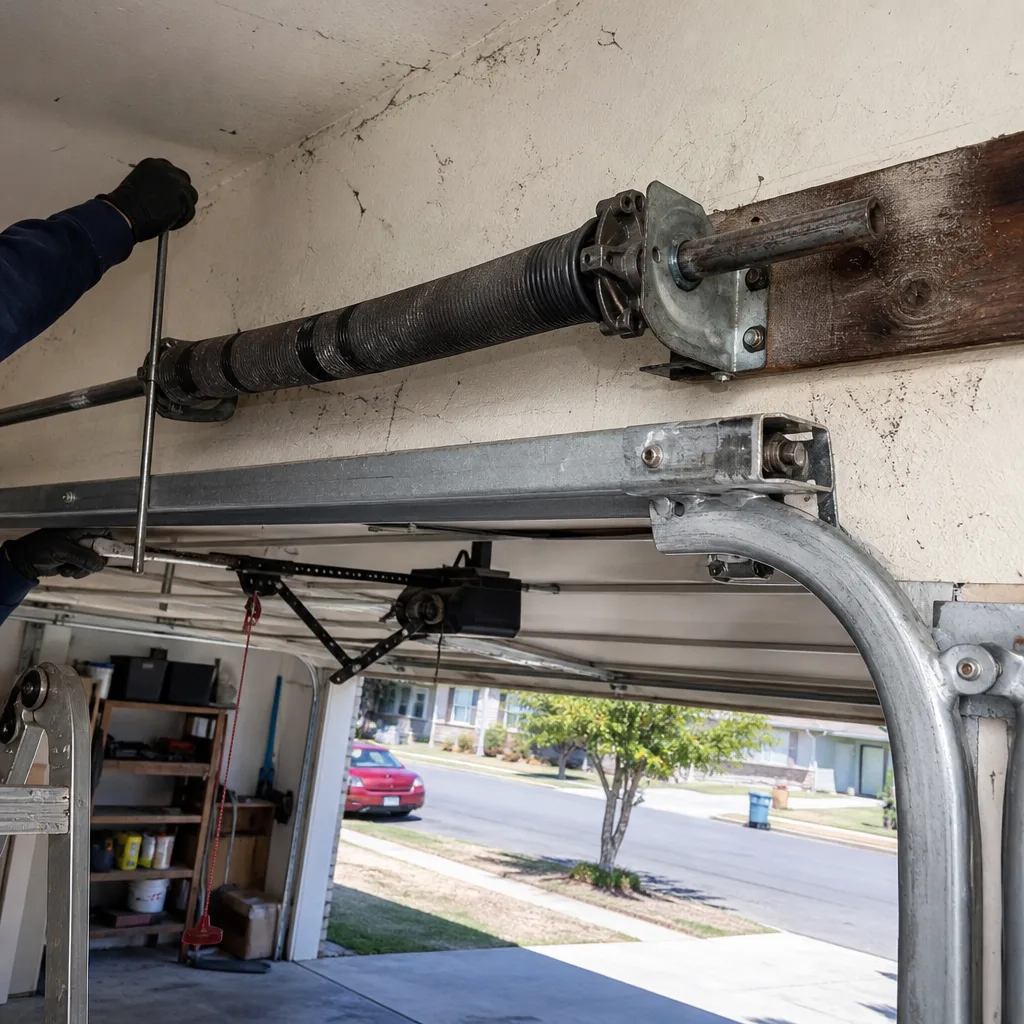
Look at the torsion spring above the door. The coils should sit tightly together. If you can see daylight between coils, or the spring has stretched visibly longer than it used to be, it’s losing its tension. This is a progressive failure. The spring is not going to get better. The longer it runs in this state, the harder the opener works, and the more likely the spring is to snap without warning.
Performance Changes That Signal Trouble
Sound and visuals are easy to spot if you know what to look for. Performance changes are easier to miss because they happen incrementally. But the trend is what matters. Any of these changes, even if they seem minor, is a sign the system is working harder than it was designed to.
Slow Response or Delayed Movement
If you press the button and the door takes two or three seconds to start moving, that’s not just an old opener being lazy. A delay means the motor is struggling against resistance, and that resistance usually comes from the door side: weak springs, dry rollers, or a track that’s out of alignment. The opener is designed to move a balanced door. When it’s moving an unbalanced one, the motor and drive gear take the punishment. This is why so many opener failures happen right after a spring has lost tension and been ignored.
Stopping Mid-Travel
A door that stops partway through its cycle and then reverses, or just stops and sits there, is a door saying it has hit a snag. Modern openers from LiftMaster and Chamberlain have force sensors that trigger when resistance exceeds a preset threshold. The sensor is doing its job. The question is what’s causing the resistance. Usually it’s a track misalignment, a failing roller, or a spring that’s no longer lifting its share. Overriding the safety mechanism or holding the wall button in to force the door closed is how tracks get bent and panels get damaged.
Reversing Without Obstruction
If the door starts to close and then immediately reverses, and there’s nothing in the way, you have a sensor issue or a force-setting problem. The photo-eye sensors at the bottom of the track may be misaligned, dirty, or in direct sunlight. Pomona’s bright afternoon sun can actually wash out older sensor models, which is a regional quirk worth knowing. If sensors are clean and aligned, the reversal is likely a force-sensitivity setting that’s drifted, which an opener specialist can recalibrate in about fifteen minutes.
Vibration or Shaking During Operation
A door that shakes or shudders as it travels is unbalanced. The springs are not lifting evenly, and the opener is compensating by muscling the door through the cycle. This vibration travels through the hinges and panels, loosening hardware and wearing out internal components faster. A shaking door never fixes itself. The longer it runs, the more components you’ll need to replace.
Schedule an Appointment vs. Stop Using the Door Now
Not every warning sign requires the same response. This is where Pomona homeowners get tripped up. Some signs mean call this week. Others mean stop using the door and call immediately. Here’s how to tell the difference.
Signs You Can Schedule Around
These warnings allow you to keep using the door briefly while you book a garage door repair in Pomona, but don’t wait more than a few days.
- Squealing or grinding from the rollers: annoying, but the door will still function for a few days while you schedule.
- Slow response from the opener: the motor is working harder, but it’s not yet at failure point.
- Rattling hardware: loose bolts won’t cause catastrophic failure immediately, but they compound quickly.
- Minor uneven gap at the floor: under half an inch, with no cable slack, warrants prompt but not emergency attention.
- Reversing due to sensor alignment: a safety feature doing its job, though inconvenient.
Signs That Require Immediate Stop-Use
These are the ones where continuing to operate the door carries real risk of injury or damage.
- Visible spring gap or separation in coils: a spring in this state can snap without warning. A snapping torsion spring releases enormous stored energy and can cause serious injury. Do not operate the door.
- Cable slack while the door is open: a slack cable can jump the drum, and the door can come down hard. Stop using the door.
- Loud popping sounds on movement: this is the spring preparing to fail. Discontinue use until it’s inspected.
- Door shaking violently or coming off the track: if the rollers are leaving the track or the door is binding hard, stop immediately. A door off its track can fall.
- The door will not stay up when opened manually: this means the spring has already lost its lift. The full weight of the door is now unsupported, and you should not try to hold it up or prop it.
When any of these stop-use signs are present, disconnect the opener from the door (pull the red release cord) and leave the door in the closed position. Do not attempt to raise or lower it manually. A door with a compromised spring is unsafe to move by hand.
The Specific Risks of Torsion Spring Wear
Let’s be direct about torsion springs because this is where the worst outcomes happen, and it’s also where homeowners get the most misleading information. A torsion spring is a tightly wound steel coil mounted above the door. It stores mechanical energy during the door’s downward travel and releases it during the upward cycle, doing the heavy lifting so the opener doesn’t have to. When that spring is worn, two things happen at once.
First, the opener takes over the lifting job. A typical residential garage door weighs between 130 and 200 pounds depending on material and size. Your opener is designed to move a balanced door, not to dead-lift one. So the drive gear, sprocket, and motor all operate far beyond their intended load. A LiftMaster or Chamberlain opener that would last 12 to 15 years under normal conditions can burn out in five or six if it’s been compensating for a weak spring. This is why we often tell Pomona homeowners that a $300 spring replacement today prevents a $400 opener replacement next month.
Second, a worn torsion spring does not always fail gradually. The coils can hold right up until the moment they don’t. When a spring snaps, the failure is instantaneous and loud, and the door, if it’s open at the time, will slam shut. If a car is parked beneath it, the bottom panel takes the hit. If a person is beneath it, the consequences are far worse. This is not an exaggeration, and it’s not something you can prevent with lubrication or by being careful. Worn springs must be replaced, not nursed along.
Opener Warning Signs: When It’s the Motor, Not the Door
Sometimes the door is fine and the opener is the problem. This distinction matters because the repair is completely different, and a wrong diagnosis means you pay for work that doesn’t solve the issue. Here’s how to tell the difference.
Unexplained Loss of Programming
If your opener loses its travel limits or remote programming more than once, the logic board is failing. Older Genie and Craftsman openers are especially prone to this as they age, and the only real fix is a board replacement or a new opener. It’s not a battery issue. It’s the controller losing memory.
Motor Hums But Door Doesn’t Move
A humming motor with no movement usually means the drive gear has stripped, especially on chain-drive units. The motor runs, but the gear that transfers power to the chain is worn out. This is common on older LiftMaster and Chamberlain units that have been in service for a decade or more, and it’s often the result of years of compensating for a heavy or unbalanced door.
Remote Range Is Getting Shorter
If you have to be closer and closer to the door before the remote works, the receiver antenna or circuit board in the opener is degrading. Sometimes the fix is as simple as replacing the remote, but if a new remote has the same problem, the opener’s internal receiver needs attention or replacement. This is an opener repair in Pomona we handle frequently, and it’s one of the few fixes that’s genuinely quick.
The Door Runs Fine Manually but Not With the Opener
Disconnect the opener with the red release cord and run the door by hand. If it opens and closes smoothly without the opener, the door side is fine and the problem is in the drive system. This one test saves a lot of guessing. Door side or opener side, we diagnose both, which means you get one answer from one visit, not a split diagnosis between two companies.
Pomona-Specific Factors That Accelerate Wear
Garage doors in Pomona face conditions that doors in other climates don’t. Understanding these local factors helps explain why your door might be wearing faster than the national average, and what you can do about it. Our Seasonal Garage Door Care for Pomona: Year-Round Homeowner’s Guide has a full maintenance calendar.
Heat and UV Exposure
Pomona regularly sees summer temperatures above 90 degrees, and a south-facing garage door bakes all afternoon. That sustained heat does two things. It accelerates the drying of lubricants on rollers and hinges, which leads to the grinding and squealing sounds covered above. And it degrades the plastic components in openers, particularly the drive gears and belt tensioners. If your garage door faces south or west in Pomona, you should lubricate the rollers every four to six months instead of the recommended twice-yearly schedule.
Dust and Grit from the Foothills
The Santa Ana winds and the normal dry conditions blow dust from the San Gabriel foothills into Pomona garages throughout the year. This fine grit gets into roller bearings, track channels, and opener gears, acting as an abrasive. A door that would last 15 years in a coastal community might wear out its rollers and bearings in 10 to 12 years here, simply because of particulates. Blowing out the tracks and cleaning the rollers every few months makes a measurable difference.
Temperature Swings and Metal Fatigue
Springs are rated for a number of cycles, not years, but temperature fluctuation affects them too. The expansion and contraction of steel coils during Pomona’s hot days and cool nights adds micro-stress to the spring metal. A spring that’s been in service for eight or nine years in Pomona has cycled through roughly 15,000 to 20,000 open-and-close operations and thousands of temperature swings. That’s when fatigue failure becomes a real possibility, regardless of how well the door has been maintained.
If any of these Pomona factors sound familiar, the Garage Door Service Pomona home page has more detail on how we approach the specific conditions in this area.
Common Mistakes to Avoid
- Lubricating a failing spring to quiet it down: WD-40 or spray grease on a spring that’s popping or creaking masks the sound without fixing the underlying fatigue. The spring is still failing, and now you can’t hear it telegraphing the problem. A spring that needs replacement needs replacement, not oil.
- Ignoring a slow door because “it still works”: the motor is drawing more current to move a heavier-feeling door, which generates heat and shortens its life. We see Pomona homeowners spend $350 on a new opener when the real problem was a $180 pair of springs.
- Tightening one spring to compensate for the other: torsion springs must be balanced as a pair. Adjusting one side changes the tension on the other, and an unbalanced pair causes the door to sit crooked, bind, and eventually damage the track. This is also a genuinely dangerous thing to attempt without training.
- Forcing the door closed when it reverses: holding the wall button to override the force sensor bypasses a safety feature. In Pomona, where kids and pets are in and out of garages all year, that’s a risk not worth taking. The reversal is a symptom. Fix the symptom, not the safety system.
- Replacing the opener before checking the door balance: a new opener installed on a door with weak springs will fail early, and the warranty won’t cover it because it wasn’t a product defect. Disconnect the door and run it manually first. If it feels heavy or lumpy, the door side needs work before the opener.
- Attempting DIY torsion spring repair: this is the one repeated mistake that lands people in emergency rooms. Torsion springs are under hundreds of pounds of torque, and the winding bars can slip with catastrophic results. Even professionals respect these springs. The cost of a professional repair is a fraction of what a hospital visit costs.
- Waiting until the door won’t open to deal with a known issue: a door that fails on a Monday morning when you need to get to work is a scheduling crisis. A door that fails on a Saturday when the whole family has plans is worse. Warning signs are the door’s way of telling you the problem while you still have time to choose when to deal with it.
When to Call a Professional
Here’s the honest answer: you should call a professional for anything involving springs, cables, or track alignment, because those components are under tension that can cause serious injury, and because DIY repairs on these parts often cost more to undo than they saved. You should also call for any opener issue that involves the logic board, drive gear, or force settings, since these require specialized knowledge of opener electronics. And if you’re unsure whether the problem is door-side or opener-side, a full-service shop can diagnose both in one visit. Garage Door Service Pomona works on LiftMaster, Chamberlain, Genie, Clopay, Amarr, Wayne Dalton, Craftsman, and Raynor systems, so whatever brand is already in your garage, we service it. If you’d like a new garage door installation in Pomona instead of a repair, we handle that too. Call (866) 282-7068 for a free estimate, and the price is quoted and agreed before any work starts.
Frequently Asked Questions
Spring replacement in Pomona typically runs between $180 and $340 for a pair of torsion springs, depending on the door’s weight and spring cycle rating. The price is quoted upfront and agreed before any work starts, and estimates are free. Call (866) 282-7068 for an exact quote on your door.
For spring failures, snapped cables, and doors stuck in the closed position, same-day repair in Pomona is available, and we carry the common spring and cable sizes on the truck. The fastest way to confirm today’s availability is to call (866) 282-7068 directly.
The quote you get over the phone is adjusted only if the on-site inspection reveals a problem that couldn’t be known before seeing the door, and any change is discussed and agreed with you before work begins. There are no surprise line items after the fact, and the final price is always locked before the repair starts.
In Pomona, we stock the most common torsion spring sizes, cables, rollers, hinges, and opener parts for LiftMaster, Chamberlain, Genie, and Craftsman systems, which means most repairs are completed in a single visit. Less common parts for specific Clopay, Amarr, Wayne Dalton, or Raynor door models may require a short order time, and we’ll tell you that before scheduling. Not sure which brand is right for you? Read our Choosing the Right Garage Door Brand: A Buyer’s Guide for Pomona.
If the grinding persists after lubrication, the roller bearings are already worn past the point where lubricant helps, or the opener’s drive gear is damaged. Lubricant reduces friction between healthy components but cannot restore metal that’s already been ground down, which is the situation when the sound doesn’t improve.
A well-maintained steel door in Pomona typically lasts 15 to 20 years, while springs last 7 to 10 years and rollers last 10 to 12 years. The Inland Empire heat and dust shorten those averages compared to coastal areas, especially for doors that face south or west and see direct afternoon sun.
The Bottom Line
Your garage door tells you when it’s in trouble. The sounds, the visual cues, the performance changes: all of it is information, and reading it correctly is the difference between a scheduled repair and an emergency call. In Pomona, where heat and dust accelerate wear, paying attention to the warning signs matters even more. When a sound or sight on this list shows up in your garage, don’t wait for the door to fail at the worst possible time. A spring that’s popping is a spring that’s already failing. A cable with slack is a cable about to jump. A door that’s grinding is a door wearing out its own parts. Call (866) 282-7068 for a free estimate, and we’ll tell you exactly what’s wrong, what it costs to fix, and whether it can wait or needs attention now. For more guides & resources, visit our blog.
Written by the team at Garage Door Service Pomona, serving Pomona since 2016.
See the difference
 Before
 After
 Before
 After
 Before
 After