
Last updated November 2, 2026
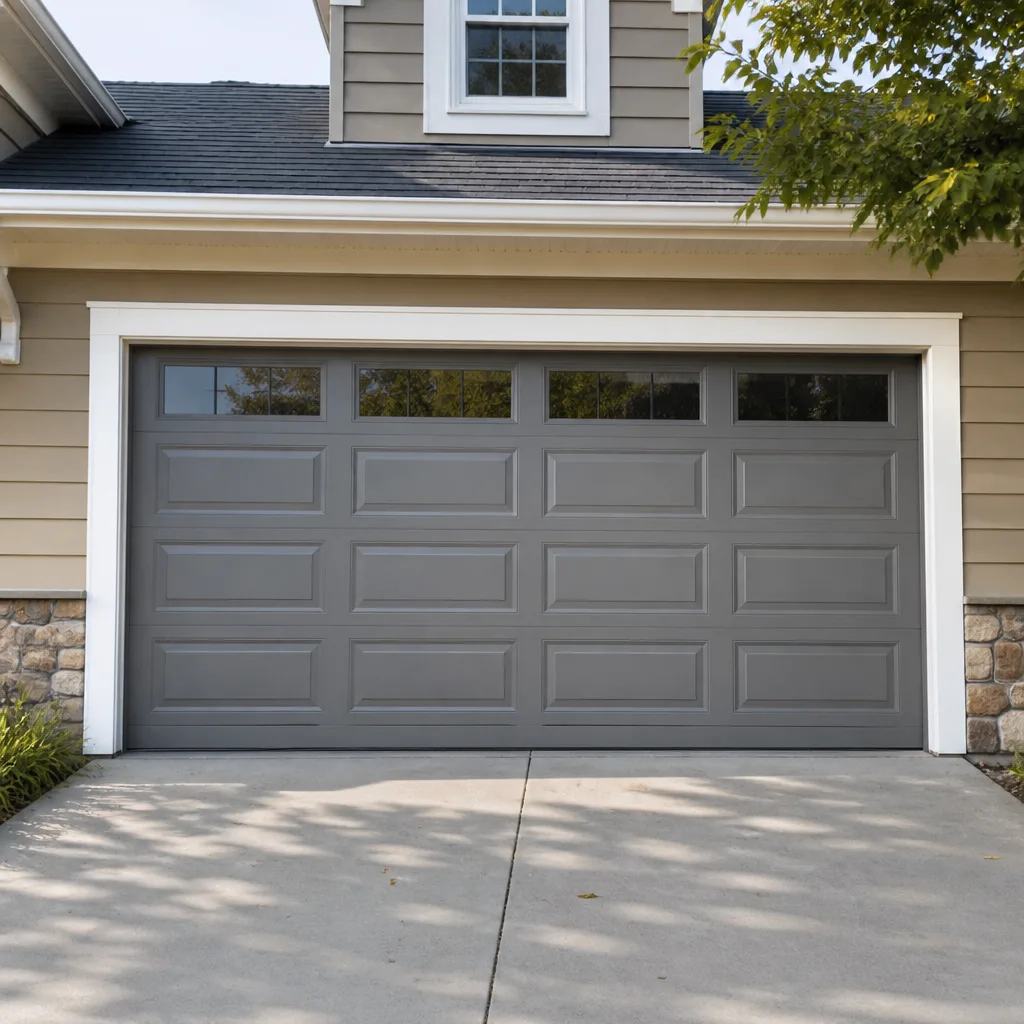 Raised-panel steel
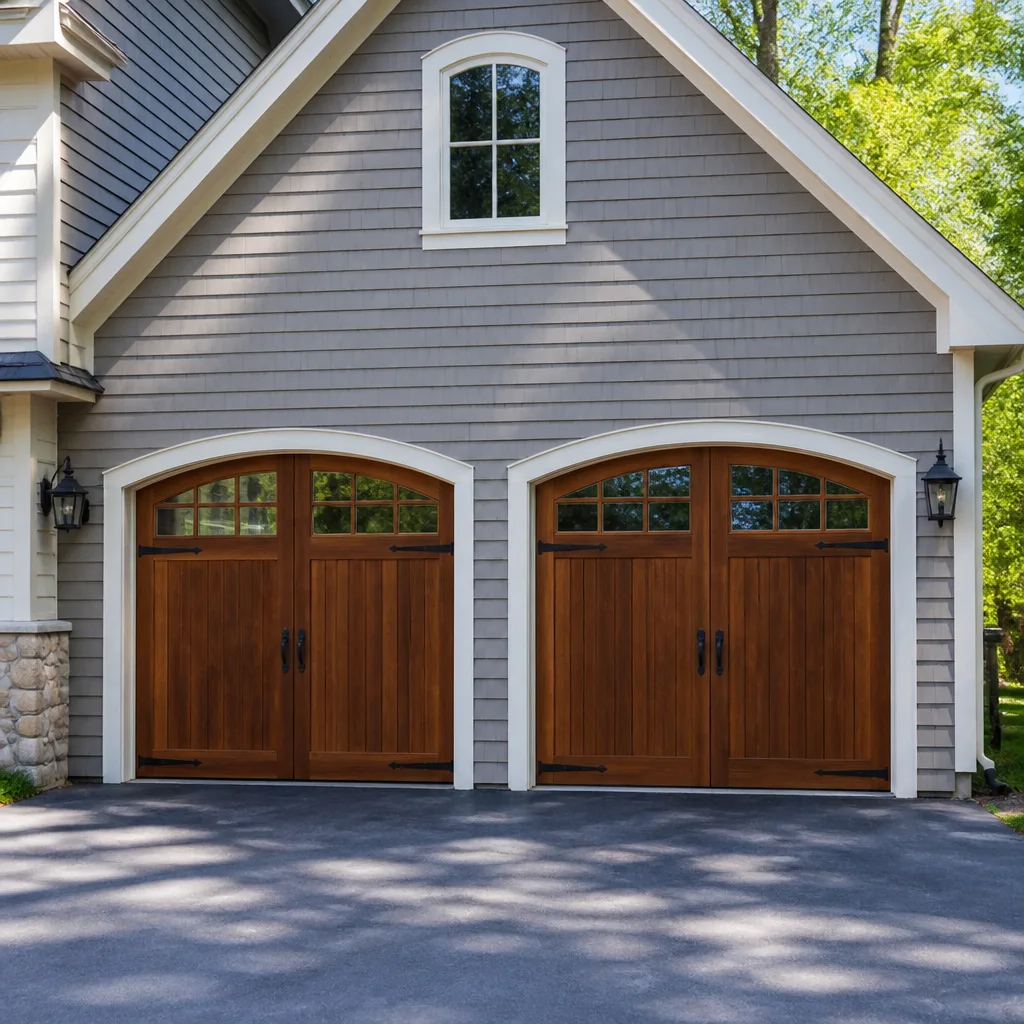 Carriage house
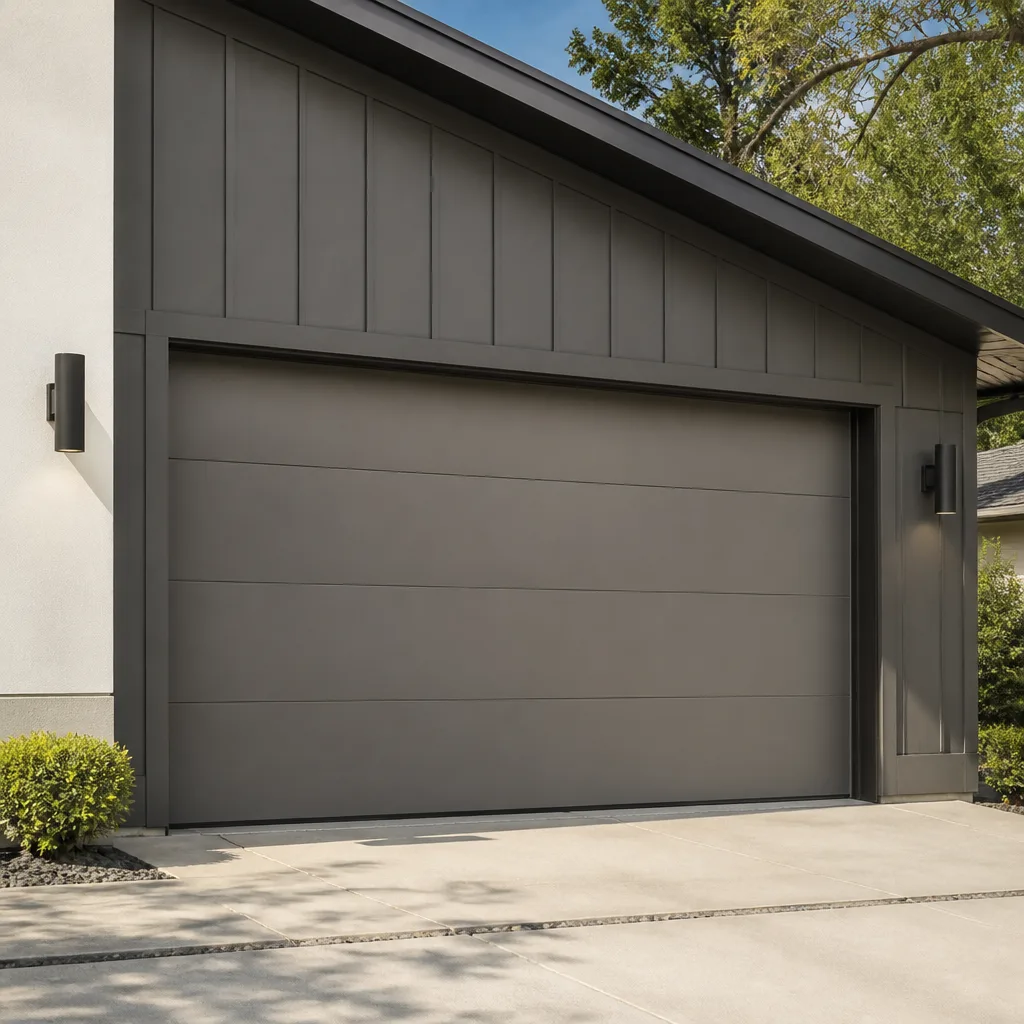 Modern flush
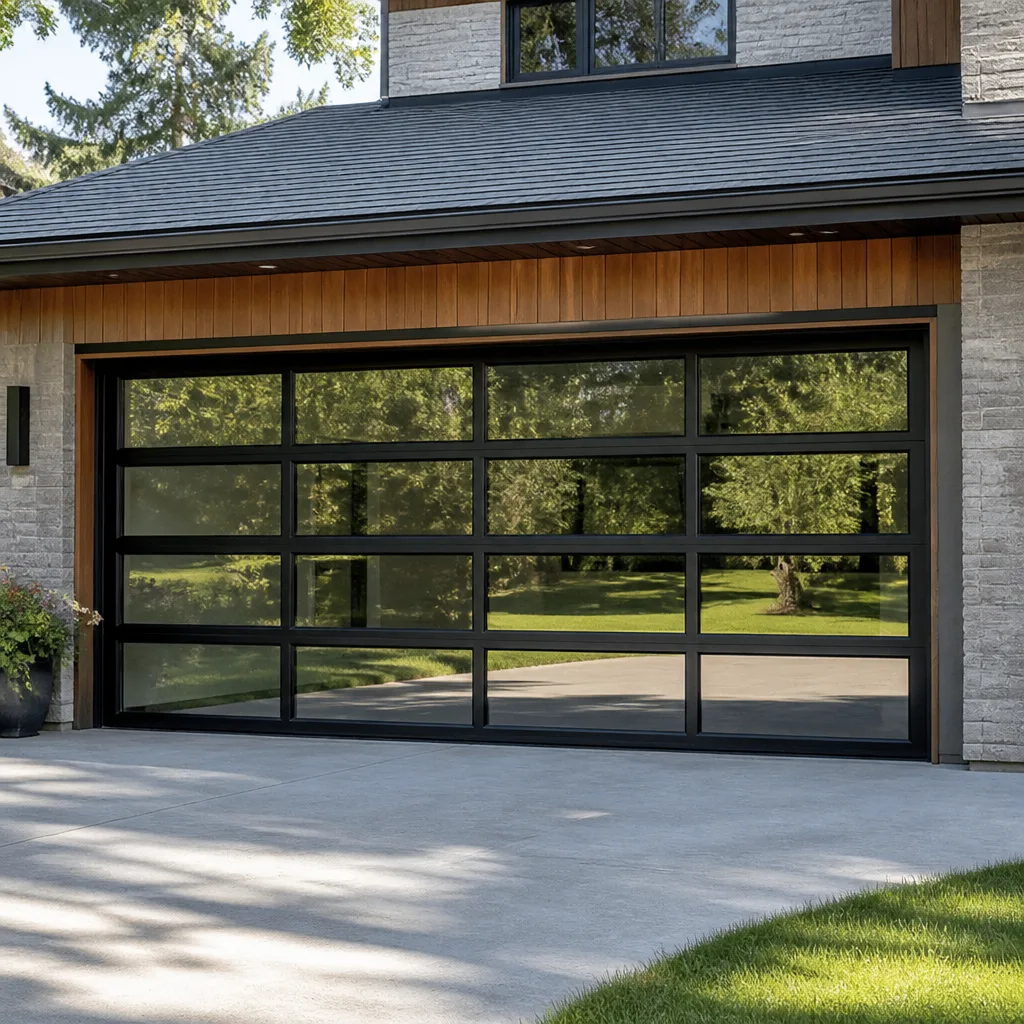 Full-view glass
 LiftMaster openers
 Chamberlain openers
Full 25-point door and opener safety check with every visit - springs, cables, rollers, tracks, and your LiftMaster or Chamberlain opener included
You get a price before we start. It does not change when the truck arrives.
Get your free estimateGarage Door Emergency Preparedness Guide for Pomona Homes
After the 1994 Northridge earthquake, thousands of Southern California residents discovered a problem they’d never considered: their garage door wouldn’t open. Shifted framing had jammed the tracks. Openers without battery backup were dead. The door that rolled up effortlessly every morning had become a locked vault, trapping vehicles inside and, in some cases, blocking the only accessible exit. Most Pomona homeowners never think about garage door emergencies until they’re standing in a dark garage at 6 a.m. with a car stuck behind a door that won’t budge. This guide changes that. You’ll learn exactly what to prepare, what to check after an earthquake, how to use your manual release without tangling the cable, and what information to have ready before you ever need to call a technician. For related advice, see our Garage Door Repair Troubleshooting: Common Problems and How to Fix Them.
Styles & brands we work with
- Raised-panel steel
- Carriage house
- Modern flush
- Full-view glass
- LiftMaster openers
- Chamberlain openers
Quick Answer
Garage door emergency preparedness in Pomona means three things: knowing how to manually release your door when power fails, having a battery backup system that actually matches your door’s weight, and keeping your door’s brand, spring type, and opener model documented before a 10 p.m. emergency. A 30-minute prep session – plus a few strategic upgrades – prevents most of the garage-door failures that strand homeowners during earthquakes, Santa Ana wind events, and rolling blackouts. For a complete maintenance routine, see our Garage Door Repair Maintenance Checklist for Pomona Homeowners. The manual release cord is your first line of defense, but only if you know the correct sequence and when pulling it will make things worse.
Table of Contents
- Understand Your Garage Door System Before an Emergency
- How to Use the Manual Release Cord Without Making Things Worse
- Battery Backup Openers: What Works and What Doesn’t in Pomona
- Seismic Preparedness: What to Check After Any 4.5+ Earthquake
- Emergency Documentation: What to Write Down Today
- High-Wind Preparedness for Santa Ana Conditions
- Power Outage Protocol: The 5-Minute Plan
- Common Mistakes to Avoid
- When to Call a Professional
- Frequently Asked Questions
- The Bottom Line
Understand Your Garage Door System Before an Emergency
Every garage door has two sides: the mechanical door system and the opener that drives it. In a crisis, knowing which side has failed determines everything you do next.
The mechanical side includes the panels, tracks, rollers, cables, and – most critically – the springs. Pomona homes predominantly run either torsion springs (mounted horizontally above the door opening) or extension springs (running parallel to the horizontal tracks on both sides). Torsion springs are far more common in newer and recently retrofitted homes, especially in neighborhoods like Phillips Ranch, Westmont, and Ganesha Hills where housing stock trends newer. Extension springs appear frequently in older Pomona homes, particularly in the historic districts near downtown and along Holt Avenue.
The opener side is the motor unit hanging from the ceiling, plus the rail, belt or chain drive, and the logic board. Here’s what matters for emergencies: most modern openers run on a belt drive (quieter, common in homes where the garage is under a bedroom) or chain drive (louder, often found in detached garages in Pomona’s Valley and North Pomona neighborhoods). LiftMaster and Craftsman openers dominate the installed base across Pomona, with Chamberlain units close behind.
Why does this matter before an emergency? Because when a door won’t open at 7 a.m., the fix is completely different depending on the cause. A broken spring means the door weighs 150 to 400 pounds with no counterbalance – pulling the manual release and trying to lift it by hand is a fast route to serious injury. A dead opener with working springs means the manual release solves your problem in 10 seconds. We work on the door side and the opener side as separate specialties exactly because this diagnosis changes everything. Door side or opener side, we diagnose both.
Write down what you have. Torsion or extension springs, belt or chain drive, and the brand printed on your opener. You’ll want this in Section 5.
How to Use the Manual Release Cord Without Making Things Worse
The red cord hanging from your opener rail is the emergency release. In a power outage, pulling it disconnects the door from the opener carriage, letting you lift the door manually. But the sequence matters, and so does recognizing when you should not pull it at all.
When to pull the release cord: Your opener has no power, the springs are intact, and the door is in the closed position. This is the safe scenario.
When NOT to pull the release cord: The door is partially or fully open, the springs are broken, a cable has snapped, or you see the door sagging on one side. Pulling the release on a door with a broken spring means the full weight comes down uncontrolled – someone gets hurt or the door gets destroyed.
Here’s the correct sequence when you’re dealing with a power outage and the door is closed:
- Verify the springs are intact. Look at the torsion spring above the closed door. If you see a visible gap in the coil – usually a two-inch separation – the spring is broken. Do not touch the release cord. Call a professional.
- Confirm the door is fully closed. If it’s open or partially open and the power is out, leave it. A door stuck open is a security issue, not a reason to risk pulling the release on a sagging door.
- Pull the release cord straight down and toward the door. You’ll hear or feel the carriage disengage. The cord typically hangs near the center of the rail.
- Lift the door with both hands using the handles or rail bottom. A properly balanced door with healthy springs should lift smoothly with moderate effort. If it feels heavy or jerky, stop – a spring may be failing.
- Prop the door open if you need it to stay open. Use a sturdy object like a step ladder or heavy toolbox. Do not rely on the door staying up on its own if you’re moving vehicles in and out.
Now the scenario everyone misses: you pull the cord during an outage, the door opens fine, the power comes back – and now the opener won’t reconnect. This is normal. The carriage needs to re-engage with the opener. On most LiftMaster, Chamberlain, and Craftsman openers, running the opener once with the door in the correct position re-engages the carriage automatically. If it doesn’t, you may need to manually align the carriage with the release arm. We see this specific confusion constantly after Pomona power outages – the door works manually but the opener just clicks or runs without moving the door. Half the time, it’s a re-engagement issue, not an opener failure.
If the release cord itself is tangled, wrapped around the rail, or pulled taut at an angle, do not yank it. A tangled cable often means the emergency release mechanism is partially engaged or the carriage is misaligned. Pulling harder usually bends the release arm. The correct move is to trace the cord back to the carriage, identify where it’s caught, and free it gently while supporting the door. If the door is open and the cable is tangled, that’s a professional call – full stop.
Our Garage Door Opener Repair in Pomona page covers re-engagement issues and other opener-specific failures in more detail.
Battery Backup Openers: What Works and What Doesn’t in Pomona
Not all battery backups are equal. A backup unit rated for a light aluminum door won’t reliably lift a heavy insulated steel door, and Pomona has plenty of both. Here’s what you need to know before you trust your backup to work when the power fails.
Battery backup systems for garage door openers come in two forms: integrated units built into the opener itself, and add-on backup units that plug into the opener’s power chain. The integrated systems on current LiftMaster and Chamberlain models with myQ connectivity are the most reliable, because they’re engineered for the specific opener’s power draw. Add-on units work, but their capacity ratings matter: most are rated between 14 and 25 amp-hours, which translates to roughly 20 to 50 open-close cycles on a typical residential door – less on heavier doors.
Here’s the Pomona-specific reality. The San Gabriel Valley heat shortens battery life. Lead-acid and lithium-ion backup batteries both degrade faster in garages that hit 110°F in August, which happens regularly in Pomona’s inland climate. A backup battery rated for 3 to 5 years of service life will often fail in year 2 or 3 if the garage isn’t insulated. If you’re relying on a battery backup for earthquake or outage preparedness, test it quarterly: unplug the opener, run the door, and see how many cycles you get. If you’re under 10 cycles, the battery is fading.
Which models work with Pomona’s most common door types? For lightweight single-car doors – common in older Pomona homes and garage conversions around the Fairplex – integrated battery backups on Chamberlain and LiftMaster belt-drive units handle the load well. For heavy double-car doors with solid-core construction or added insulation – common in Phillips Ranch and newer Ganesha Hills construction – make sure the backup is rated for the door. A backup on a 1/2 HP opener lifting a 200-pound door will drain faster than the same backup on a lighter door. Match the backup to the door weight, not just the opener brand.
A practical note: most battery backup systems only work when the opener itself has power. If a power surge fried the logic board, the battery won’t help. If you’re in an area of Pomona prone to brownouts or surge events during heat waves, a whole-garage surge protector is worth the $80 to $150 investment.
For smart-home setups, both LiftMaster/Chamberlain myQ and Genie Aladdin Connect offer app-based monitoring that can alert you when the opener runs on battery power. If you’re upgrading, our full-service shop handles both ecosystems. Eight brands, one call – and we install Waynedale, Raynor, and LiftMaster systems specifically configured for the door weight.
Seismic Preparedness: What to Check After Any 4.5+ Earthquake
Pomona sits in a seismically active region. The San Jose Fault runs along the southern edge of the city, the Chino Fault runs through the eastern corridor, and the Sierra Madre Fault system sits to the north. The 1990 Upland quake (5.2) and the 2008 Chino Hills quake (5.4) both produced measurable shaking in Pomona. A 4.5 isn’t a hypothetical – it’s a matter of when.
After any earthquake above 4.5 magnitude, here’s what to check on your garage door system before you use the door again:
- Visual scan of the tracks. Look at both vertical tracks and the horizontal tracks. Any bowing, twisting, or visible separation from the wall or ceiling brackets means the door should not be run until a professional inspects it. Even a quarter-inch shift can bind the rollers.
- Check the door’s balance in both directions. Disengage the opener (pull the release cord) and manually lift the door halfway. It should stay put. If it drops or rises, the springs may have shifted or the door may be out of balance.
- Inspect the spring mounting pads and bearing plates. The torsion spring sits on bearing plates at both ends. Shaking can crack these plates or loosen the mounting bolts. A visible crack in a bearing plate is a stop-use condition.
- Look for fresh gaps around the door frame. Shifted framing is what trapped Northridge residents in 1994. If the gap between the door and the frame has changed, or the door rubs when closing, the framing may have shifted enough to bind the door.
- Run the opener and listen. After the visual checks, run the door with the opener. Any grinding, rattling, or uneven movement means something changed. Stop and inspect.
Here’s the counterintuitive part: a door that still works after an earthquake may still be damaged. Hairline cracks in bearing plates and subtle track bowing often don’t fail immediately – they fail three weeks later when a roller binds and the door jams halfway up at 6:45 a.m. We’ve seen this pattern repeatedly in Pomona after seismic events: homeowners assume everything’s fine because the door opens, then a hidden stress fracture in a bearing plate or a slightly bent track finally fails under daily use.
If you find any of these conditions, resist the urge to keep using the door. The springs are under tension, the door weighs hundreds of pounds, and a failing component can release suddenly. Call Garage Door Repair in Pomona for a post-quake inspection. The estimate is free, and the alternative is a door that fails at the worst possible moment.
Emergency Documentation: What to Write Down Today
Take 10 minutes, grab a marker or a label maker, and document your door’s specifications. When you’re calling a technician at 10 p.m., you don’t want to be squinting at a faded label with a flashlight.
Write this information on a label and stick it inside the garage, near the service door or on the wall beside the opener:
- Door brand and model. Check the inside edge of a panel or the sticker on the end stile. Common Pomona brands include Clopay, Amarr, and Wayne Dalton.
- Spring type and size. “Torsion” or “Extension.” If you can read the spring color code or wire size, note it. This matters more than you’d think – a replacement spring has to match the existing spring exactly.
- Opener brand and model number. Printed on the motor unit’s label. LiftMaster, Chamberlain, Genie, Craftsman, and Raynor all use model-specific remotes and logic boards.
- Door weight or approximate size. A 16×7 door is the most common Pomona standard, but smaller garage conversions and custom doors exist. Height and width take 30 seconds to measure.
- Who to call. Write down Garage Door Service Pomona and the number (866) 282-7068. In an emergency, you don’t want to search for a number.
Why does this matter? Because when a spring breaks at 7 a.m. on a workday, the technician needs to know whether you have a standard torsion spring or an oddball extension setup. If we’re coming out with the wrong spring, you wait longer. If you can tell us over the phone that it’s a Wayne Dalton torsion system with a 16×7 door, we’re loading the right parts before we leave. Eight brands, one call – but only if we know which brand we’re working with.
Photograph everything. Three photos: the spring assembly, the opener label, and the full door from inside. Store them in your phone’s emergency folder. When the power’s out and you’re working with a flashlight, having clear reference photos makes diagnosis faster for both you and the tech.
High-Wind Preparedness for Santa Ana Conditions
Santa Ana winds hit Pomona in the fall and winter, gusting through the San Gabriel and Pomona valleys. A standard residential garage door isn’t designed for sustained 60-mph gusts, and prolonged wind loading can cause real problems: track flex, roller wear, panel deflection, and – in worst cases – cable derailment when the door sways against the track.
Here’s what to do before Santa Ana season starts:
- Inspect the roller engagement. Check each roller sits fully inside its track channel. A roller that’s partially popped out of the track is a blow-off risk in high wind. Look for visible gaps between the roller shaft and the track lip.
- Tighten the track mounting brackets. The L-brackets that hold the tracks to the wall and ceiling loosen over time. A 7/16-inch socket and two minutes per bracket. Loose brackets amplify wind vibration and accelerate track wear.
- Confirm the weatherstripping seals. The bottom seal, side seals, and top seal. Gaps let wind pressure build inside the garage, which pushes the door from the inside and increases panel flex. A $15 bottom seal replacement is cheap insurance.
- Secure anything that could hit the door. Ladders, tools, trash cans – anything in the garage that can slide or tip into the door panels during wind. A step ladder falling against the inside of the door while it’s closed won’t typically puncture the panel, but it can dent it enough to bind the door when you try to open it.
During a Santa Ana event, keep the door closed. The instinct to open the garage for ventilation is understandable, but a wind-loaded open door is a sail. If you must open it, do so briefly and don’t leave it unattended. For homes where the garage faces canyon openings or open flood-control channels – common in north Pomona and along the Towne Avenue corridor – wind loading is worse than in sheltered interior block neighborhoods. If your door bows visibly under wind load, that’s a sign to upgrade to a reinforced or wind-rated door. Our Garage Door Installation in Pomona services include Amarr and Wayne Dalton models with stiffer panel construction designed for exactly these conditions.
Power Outage Protocol: The 5-Minute Plan
A power outage is the most common garage door emergency in Pomona, and it’s the one most homeowners are least prepared for. Heat waves strain the grid, wind events bring down lines, and the rolling blackouts of recent summers have made outages a regular occurrence. Here’s the 5-minute plan:
- Minute 1: Determine whether you actually need to open the door. If you don’t need your car, don’t touch the door. The manual release is a tool, not an obligation.
- Minute 2: If you DO need to open the door, verify the springs are intact. Look at the torsion spring above the closed door. Gap in the coil? Stop and call. No gap? Proceed.
- Minute 3: Pull the release cord and lift the door manually. Use the sequence from Section 2. A healthy door with intact springs lifts smoothly.
- Minute 4: If you have a battery backup, test it before you need it. Unplug the opener now. Run the door. If the backup is working, you’ll get full-speed operation. If it’s weak, the door may move slowly or stop halfway.
- Minute 5: Decide whether to leave the door manual or re-engage the opener. If the outage is likely to last, leave the door manual so everyone in the household can operate it by hand. If you want the opener ready when power returns, re-engage the carriage before the power comes back on.
One thing we see repeatedly in Pomona during outage events: people assume their opener has a battery backup because it’s a “nice” opener. Most do not. If you’re not sure, look for a battery symbol on the wall control or a separate battery compartment on the opener. If there’s no backup and you rely on the garage as your primary entry and exit, installing a backup unit is a genuine quality-of-life upgrade for Pomona’s power reality.
Post-outage, check your opener’s time and travel limits. Brownouts and partial-power situations can scramble opener memory. If your door now stops a foot short of the ground or reverses for no reason, the limits may need reprogramming – and that’s a 15-minute service call, not a new opener.
Common Mistakes to Avoid
- Pulling the manual release on a door with a broken spring. This is the single most dangerous mistake we see. A broken spring means the door’s full weight is uncontrolled. Pulling the release turns a stuck door into a falling door.
- Yanking harder on a tangled release cord. A tangled cord means something is caught or misaligned. More force bends the release arm and rarely frees the tangle.
- Assuming the opener has battery backup. Most don’t. If you haven’t verified the backup exists, you don’t have one.
- Skipping the post-earthquake inspection because the door still opens. Hidden track bowing and bearing-plate cracks fail days or weeks after the shaking stops. If you felt 4.5+, inspect.
- Testing the battery backup only when the power goes out. Discover in August that your backup died in June and you’re lifting the door manually during a heat wave. Test quarterly.
- Not documenting the spring type and door brand. When you need a same-day spring replacement, “it’s a metal spring above the door” doesn’t help us bring the right part. Write it down now.
- Waiting for the Santa Ana winds to check track brackets and roller engagement. The time to tighten brackets is when the air is calm, not when 50-mph gusts are shaking the door.
When to Call a Professional
Some situations are safe to handle yourself. A power outage with healthy springs is a manual-release situation. A tangled release cord you can trace and free carefully with the door closed is manageable. Everything else points to a professional call.
Broken springs are the obvious one – the tension in a torsion spring can seriously injure or kill. Snapped cables, a door off its tracks, a bent track after a car clip, an opener that runs but won’t move the door, a bearing plate that cracked during an earthquake – these are not DIY situations. If the door fell and is now resting on the ground or hanging at an angle, do not try to lift it. The cables are likely compromised, and the spring may still be partially loaded.
Equally important: if you’re not sure what’s wrong, don’t guess. A garage door is the largest moving object in your house, and misdiagnosing a spring problem as an opener problem – or vice versa – wastes time and creates risk. Garage Door Service Pomona offers free estimates in Pomona – call (866) 282-7068. We’ll diagnose the problem, tell you what’s actually wrong, and quote the price before any work starts.
Frequently Asked Questions
Pull the red manual release cord hanging from the opener rail, but only after confirming the springs are intact and the door is fully closed. A healthy door with intact springs lifts manually with moderate effort. If the door feels heavy or the spring has a visible gap, stop and call a professional. For more detail, see the step-by-step sequence in Section 2 above.
If your garage is your primary entry point or you need guaranteed vehicle access during power outages, yes. Pomona’s heat waves and wind events make outages a recurring reality, and most standard openers include no backup at all. Battery backups are especially important for homes where a car parked in the garage is the only way to leave the property.
Look at the torsion spring above the closed door. A visible gap in the coil – typically a two-inch separation – means the spring has snapped. Also check for cracks in the bearing plates at both ends of the spring, visible bowing in the tracks, and any fresh gaps around the door frame. If anything looks off, keep the door closed and call for a professional inspection.
Do not force it. Do not pull the release cord. Do not try to lift it manually. A door stuck after seismic activity likely has shifted framing, a bent track, or a compromised spring – all conditions that make the door dangerous to move. Call (866) 282-7068 for a post-earthquake inspection. The door will be diagnosed and the price quoted before any work starts.
Yes, on most models. Add-on battery backup units are available for most LiftMaster, Chamberlain, and Craftsman openers. The key is matching the backup’s capacity to your door’s weight – a lightweight aluminum door uses less battery per cycle than a heavy insulated steel door. Genie models with Aladdin Connect also offer backup options. Garage Door Service Pomona can install and configure the right backup for your specific door and opener.
Most emergency garage door repairs in Pomona – broken springs, snapped cables, off-track doors – range from $150 to $450 depending on the part and the labor required. Spring replacement on a standard torsion system typically runs $180 to $340 including parts and labor. Opener replacement runs $350 to $650 installed, depending on the model and whether you need battery backup. Call (866) 282-7068 for an exact quote – estimates are free, and the price is always agreed before work begins.
The Bottom Line
Emergency preparedness for your garage door isn’t complicated, but it requires doing a few things before the emergency happens. For more guides & resources, visit our blog. Know your system: torsion or extension springs, belt or chain drive, opener brand and model. Document everything, label it, and photograph it. Test your battery backup quarterly, not when the power’s already out. After any 4.5+ earthquake, do the full visual inspection even if the door still opens. And during Santa Ana events, keep the door closed and the tracks tight.
Thirty minutes of preparation today prevents the 7 a.m. stranded situation tomorrow. If you’d rather have a professional handle the whole prep checklist – spring inspection, track tightening, backup installation, and documentation – call (866) 282-7068. We’ll come out, do a full emergency-readiness inspection, and give you a written assessment. Free estimate, no obligation. Built to move every morning.
Written by the team at Garage Door Service Pomona, serving Pomona since 2016.
See the difference
 Before
 After
 Before
 After
 Before
 After