
Last updated November 2, 2026
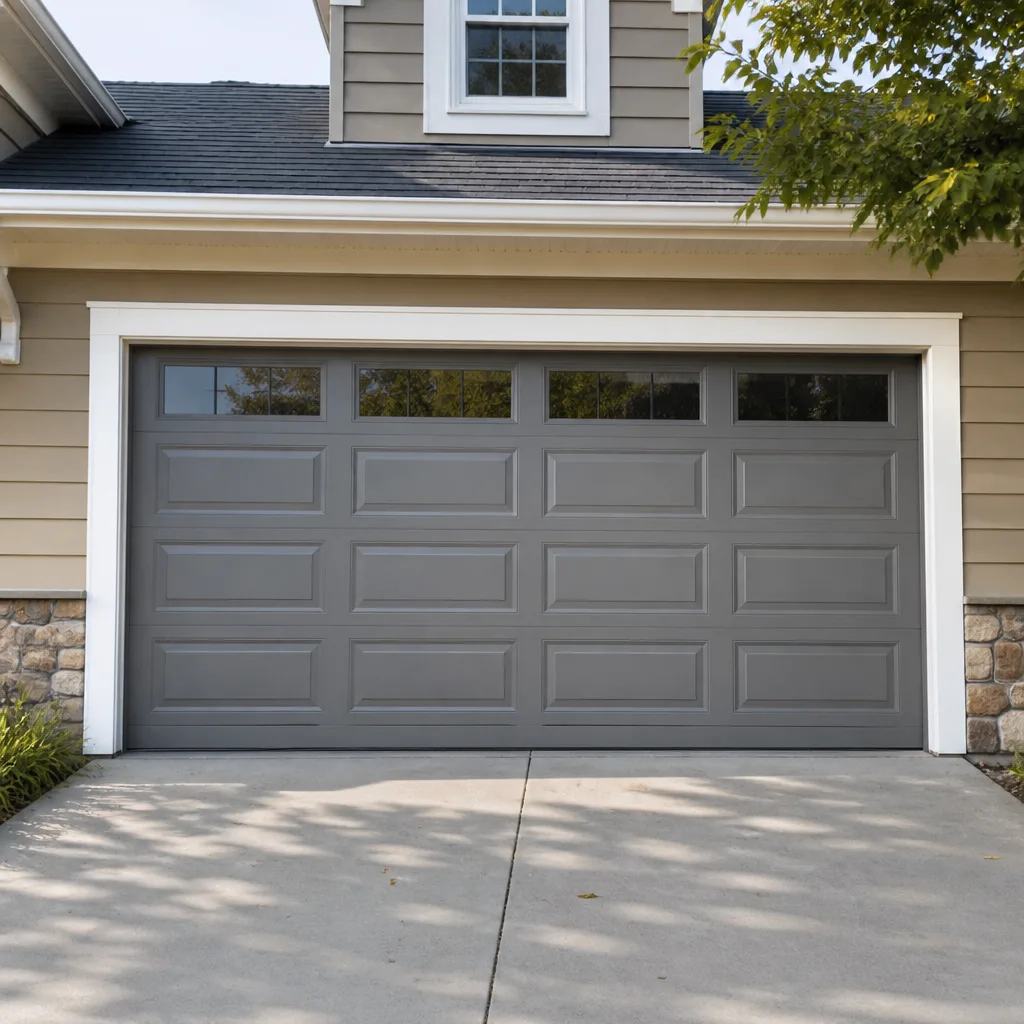 Raised-panel steel
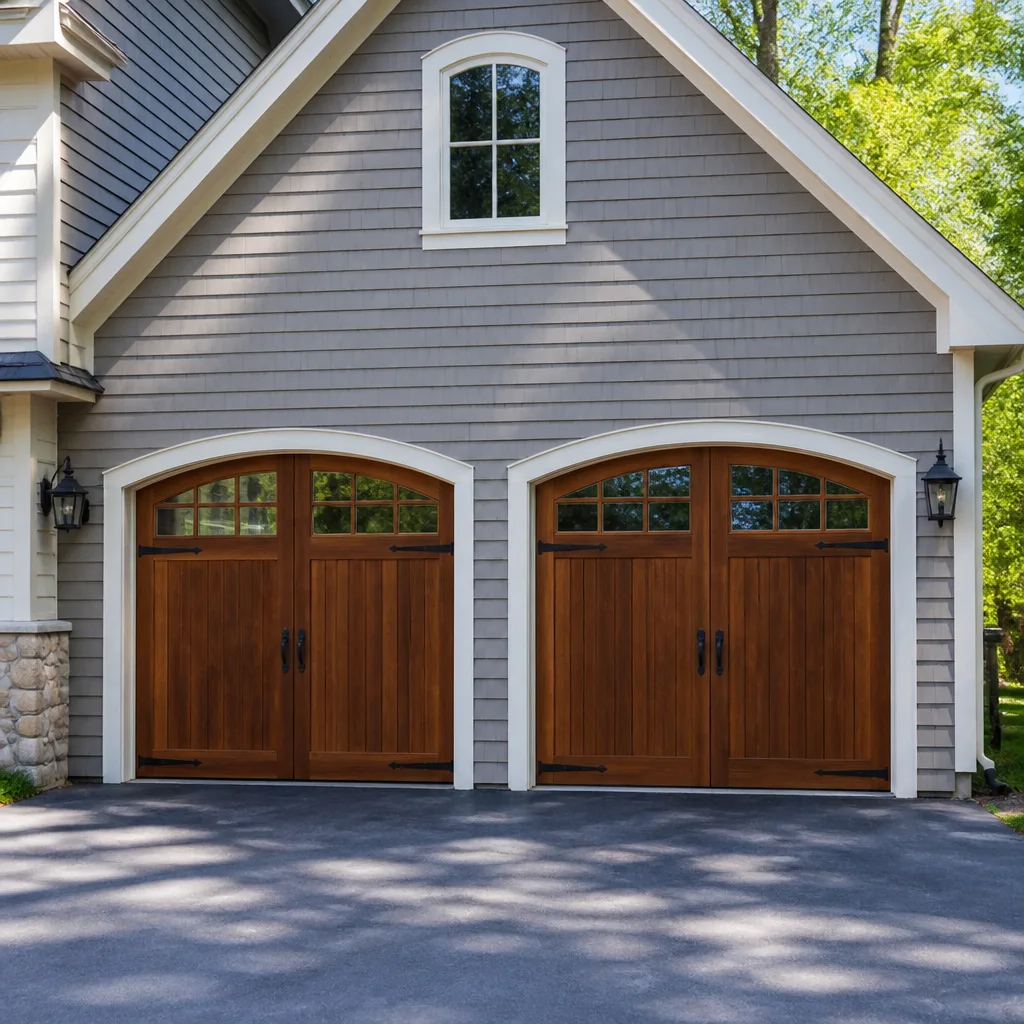 Carriage house
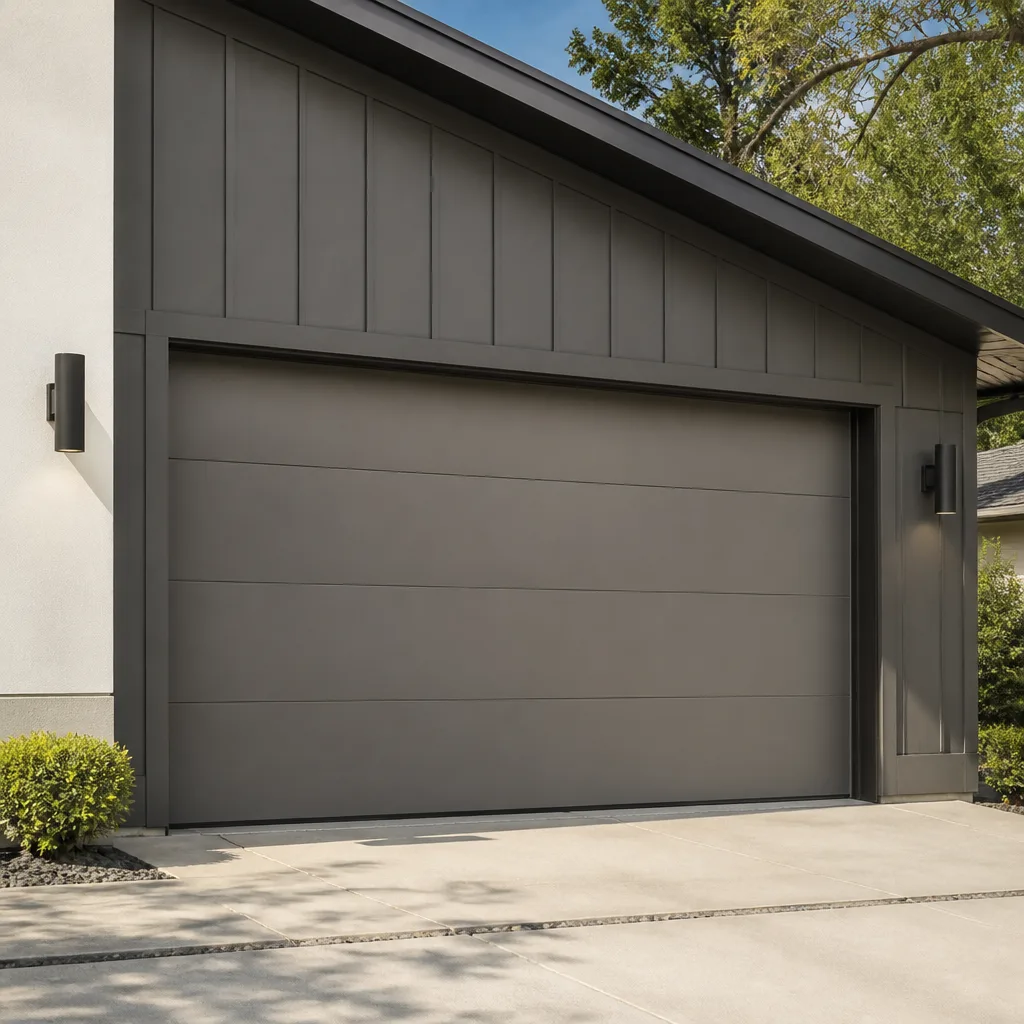 Modern flush
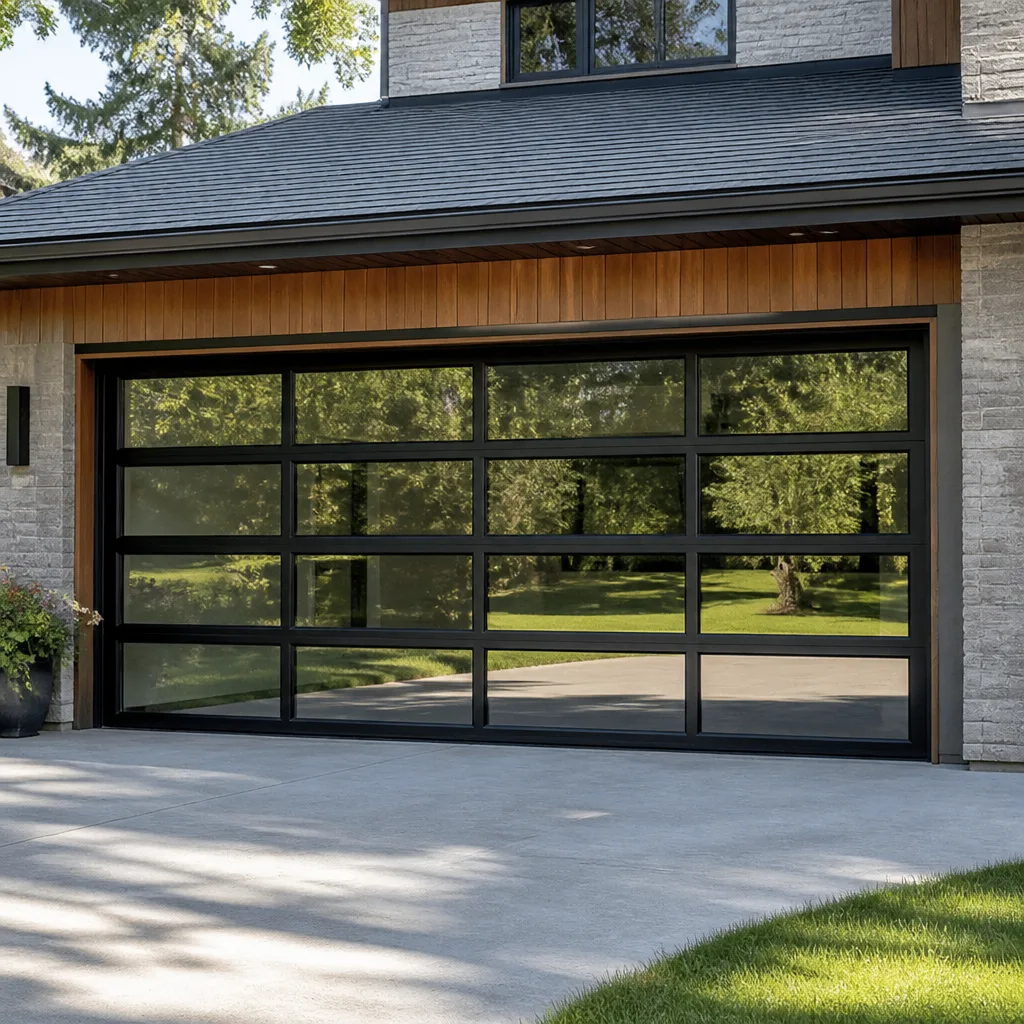 Full-view glass
 LiftMaster openers
 Chamberlain openers
Full 25-point door and opener safety check with every visit - springs, cables, rollers, tracks, and your LiftMaster or Chamberlain opener included
You get a price before we start. It does not change when the truck arrives.
Get your free estimateGarage Door Repair Troubleshooting: Common Problems and How to Fix Them
A garage door that reverses right before closing isn’t broken. It’s doing exactly what it was designed to do. The problem is almost always a misaligned safety sensor, and confusing that for a motor failure is how thousands of homeowners across Pomona end up paying for parts they never needed. This guide walks you through the mechanical logic behind every common garage door symptom, so you can describe the problem precisely, fix what’s safe to handle yourself, and avoid paying for misdiagnosed repairs.
Styles & brands we work with
- Raised-panel steel
- Carriage house
- Modern flush
- Full-view glass
- LiftMaster openers
- Chamberlain openers
Quick Answer
Most garage door problems fall into five categories: sensor misalignment, spring wear, track obstruction, opener logic errors, and cable or roller failure. Start by observing whether the door moves at all, moves partially, or moves with unusual noise. That single observation narrows the diagnosis to the right subsystem, and the detailed symptom-to-cause maps below will walk you through the rest.
Table of Contents
- Symptom-to-Cause: Reading What Your Door Is Telling You
- How to Read Your Opener’s Diagnostic Blink Codes
- Safety Features That Feel Like Malfunctions
- Door Won’t Open vs. Opens Partially: Two Different Problems
- A Noisy Door Is a Diagnostic Map
- Seasonal Issues in Pomona That Change Door Behavior
- Brand-Specific Quirks Worth Knowing
- The Stop-Here Checklist: When DIY Ends
- Common Mistakes to Avoid
- When to Call a Professional
- Frequently Asked Questions
- The Bottom Line
Symptom-to-Cause: Reading What Your Door Is Telling You
A garage door is a surprisingly honest machine. Every rattle, hesitation, and reversal corresponds to a specific mechanical event. Once you learn to read those signals, you’ll spend less time guessing and less money speculating. In our work across Pomona homes, we’ve found that the majority of “mystery” problems are actually well-documented failure patterns with predictable causes.
Here’s the core logic: your garage door is two systems working together. The door itself, meaning panels, springs, rollers, cables, and track. And the opener, meaning the motor, drive mechanism, logic board, and sensors. Problems on the door side cause grinding, binding, imbalance, and cable wear. Problems on the opener side cause reversal, non-response, flashing lights, and partial travel. Knowing which side is failing is half the diagnosis.
The Most Common Symptom-to-Cause Maps
Symptom: Door reverses immediately after touching the floor.
Cause: The close-force setting is too high, so the opener interprets floor contact as an obstruction. Fix: reduce close-force by one increment and retest. This is a two-minute adjustment on most LiftMaster and Craftsman units.
Symptom: Door opens fine but refuses to close, and the opener lights flash.
Cause: Safety sensor misalignment or obstruction. The sensors near the floor on each track rail must face each other with a clear line of sight. Spider webs, leaves, and even direct sunlight can break the beam. Clean both lenses, make sure they point directly at one another, and check that the small indicator lights are steady, not flickering.
Symptom: Door opens halfway and stops.
Cause: A broken torsion spring, or an opener traveling in the wrong mode. If the spring is broken, the opener cannot lift the full weight and stops to protect the motor. If the spring is intact, check whether the opener is engaged or in manual mode after a power outage. Pull the red release cord and try lifting the door by hand. If it’s heavy and hard to lift, you’ve got a spring problem. If it lifts easily by hand, the issue is on the opener side.
Symptom: Door closes then immediately reverses, but only at one point in the track.
Cause: A physical obstruction or track binding at that specific point. Look for a bent track, a loose bolt protruding into the path, or a roller that’s seized. Run the door manually and feel for resistance at the same spot. That’s your answer.
Symptom: Door jerks or shudders while moving.
Cause: Worn rollers, debris in the track, or a panel that’s come loose from its hinge. Nylon rollers wear flat over time and stop rolling, causing drag. In Pomona’s dry climate, steel rollers can also accumulate fine grit that grinds against the track.
How to Read Your Opener’s Diagnostic Blink Codes
Your opener talks. You just have to know where to look. Most modern openers, including LiftMaster, Chamberlain, Genie, and Craftsman models, use a blinking LED or an up-and-down arrow pattern to report fault codes. Learning these codes can save you a service call or, just as importantly, help you give a technician accurate information before they arrive.
Here’s how the major brands report problems:
LiftMaster and Chamberlain use the learn button LED. A number of flashes followed by a pause indicates a specific fault. Four flashes mean the safety sensors are misaligned or obstructed. Five flashes typically means a motor overheat or RPM sensor fault. One flash up and one flash down on newer units with arrow indicators often reports a wiring issue to the wall control.
Genie openers use a red or green LED on the powerhead. Two flashes indicate the door isn’t moving or the motor is running without the door. Three flashes point to the motor control board. Genie’s Aladdin Connect models add a diagnostic readout in the app, which is genuinely useful for narrowing down sensor versus logic board issues.
Craftsman (which shares engineering with Chamberlain on most models) uses the same flash-pause-flash pattern. If you see a steady stream of rapid flashing, the opener probably needs a travel-limit reset.
The point isn’t to memorize every code. The point is to catch the pattern before you call. Blink patterns are the fastest way to tell whether a problem is mechanical, electrical, or sensor-related. And when you call for Garage Door Opener Repair in Pomona, knowing the code helps a technician arrive prepared with the right part instead of diagnosing from scratch.
One caveat: diagnostic codes point to the subsystem, not the exact failed component. Two flashes on a Chamberlain can mean a sensor alignment issue or a shorted wire behind the wall. The code narrows the hunt; it doesn’t end it.
Safety Features That Feel Like Malfunctions
Some of the most common “broken door” complaints we hear in Pomona are actually safety systems working exactly as designed. Misreading these as mechanical failures leads to unnecessary replacements and unnecessary expense. Here are the behaviors owners mistake for problems.
The reversal before closing. Federal law has required auto-reverse on all garage door openers since 1993. The door must reverse if it encounters resistance while closing. When a door reverses just before or just after touching the ground, the force threshold is set too tight or too loose. It’s an adjustment issue, not a broken motor.
The blinking opener light. Most openers flash the light bulbs after a reversal event as a way of saying “I stopped for a reason.” The fix is identifying that reason, not assuming the opener’s logic board has failed.
The door that won’t respond to the remote but works from the wall button. This is a security feature: rolling-code remotes desynchronize after a power surge or a dead battery. Reprogramming the remote, not replacing the motor, is almost always the correct fix.
The door that opens on its own. This one is usually stray radio frequency interference, a neighbor with the same old fixed-code remote, or a stuck wall button. It’s annoying, but it’s rarely a mechanical problem.
Here’s the takeaway. Before you assume a door is failing, ask whether the opener is doing something intentional. Safety mechanisms produce specific patterns: reversal at the floor, blinking lights, refusal to close with an obstructed beam. Genuine mechanical failures produce different patterns: grinding, popping, uneven movement, or a door that’s suddenly heavy to lift by hand.
Door Won’t Open vs. Opens Partially: Two Different Problems
This single distinction saves more misdiagnoses than anything else in garage door troubleshooting. A door that won’t open at all is usually an opener-side problem. A door that opens partially, stops, or strains under load is usually a door-side problem. Treating them as the same issue sends homeowners down the wrong repair path.
Door won’t open at all: Start with the obvious. Is the opener plugged in? Is the breaker tripped? Is the wall button responding? If the opener hums but doesn’t move, the drive gear may have failed, a common fault on older Chamberlain and Craftsman screw-drive units. If there’s no sound at all, check the logic board and the capacitor. These are opener-side failures, and the fix belongs to someone who understands drive electronics, including the smart-home integration on myQ and Aladdin Connect systems.
Door opens partially then stops or reverses: This is the classic broken-spring signature. Torsion springs carry the door’s weight, typically 150 to 250 pounds on a single-car door. When a spring fails, the opener motor suddenly has to lift the full load on its own. Most openers respond by stalling to protect the motor. A door that starts up smoothly and then labors to a stop near the bottom of the arc is telling you the spring is broken or the door has come out of balance.
Here’s a simple test. Pull the emergency release cord and operate the door by hand. A balanced door with healthy springs stays where you put it anywhere in the track. It should be liftable with one hand. If the door drops or feels like you’re lifting a refrigerator, you have a spring or cable issue. Do not continue using the door. Repeated operation with a broken spring damages cables, panels, and the opener itself.
For the full scope of what door-side repair involves, see our Garage Door Repair in Pomona guide. It covers spring replacement, cable rerouting, and track correction in detail.
A Noisy Door Is a Diagnostic Map
Noise isn’t just annoying. It’s the door telling you which component is wearing. Different sounds correspond to different failures, and listening carefully can often pinpoint the problem before you touch the door.
Squeaking or screeching usually means dry or worn metal components. The hinge between panels, the roller stems, or the spring coils themselves need lubrication. In Pomona’s low-humidity climate, metal-to-metal contact dries out faster than in coastal areas. A silicone-based lubricant on hinges and rollers, and a light coat on the spring, solves most squeaks. Avoid WD-40, which displaces the heavier grease that springs need.
Grinding or crunching points to debris in the track or a roller bearing that’s disintegrated. Nylon rollers have a steel bearing inside, and when the nylon wheel cracks, the bearing drags directly on the track. That sound is unmistakable once you’ve heard it. Fixing it usually means replacing the roller, not lubricating it.
Popping or snapping from the spring area is either the spring itself failing or a section of spring that’s settled unevenly. A single loud snap is almost always torsion-spring failure. A rhythmic popping that happens once per door cycle is often a spring that’s starting to bind internally. Both warrant professional attention, because springs under tension release a significant amount of stored energy when they fail.
Rattling or slapping suggests loose hardware. Bolts on the track brackets, the opener rail, or the panel hinges work loose over years of opening and closing. A rattle that comes and goes with door movement is usually a hinge or bracket. A rattle that persists even when the door is still is often the opener chain or belt tensioner.
One note: belt-drive openers from LiftMaster and Chamberlain are naturally quieter than chain-drive units. If a formerly quiet opener suddenly gets loud, that’s a clue, not a personality change. Investigate the drive mechanism.
Seasonal Issues in Pomona That Change Door Behavior
Pomona’s climate does specific things to garage doors. The inland heat and dry air affect metal, lubricants, and electronics differently than coastal humidity does. Here’s what we see season after season in homes across Pomona.
Summer heat and spring behavior. Torsion springs are rated for a certain number of cycles, usually 10,000. Extreme heat doesn’t shorten that rating directly, but it does accelerate metal fatigue in springs that are already near the end of their useful life. A spring that’s been marginal all spring will often fail during the first heat wave of summer. The same applies to cable wear, especially on older doors that haven’t had the cable drums checked in years.
Dry air and lubrication. Pomona’s relative humidity rarely climbs high enough to keep hinges and rollers from drying out. Metal components that would stay lubricated for a full year in a coastal climate often need attention every six to eight months here. If your door has started sounding like it’s singing when it moves, it’s time for a lubrication pass.
Santa Ana winds. Those strong, dry wind events push dust and fine grit into every opening, including the gap between the garage door and the track. We see a measurable uptick in binding and roller-drag complaints after a sustained Santa Ana event. Cleaning the tracks and wiping down the rollers often resolves the problem without any parts replacement.
Cold snaps and openers. Electronics don’t care about cold, but lubricant thickens and the metal contracts slightly. A door that moves sluggishly on a 45-degree morning and fine by noon is probably not failing; it’s just stiff. Give it a cycle or two to warm up before concluding something is broken.
If you notice a seasonal pattern in the way your door behaves, note it. That information is valuable to any technician you call, and it’ll help us at Garage Door Service Pomona home diagnose faster on the first visit.
Brand-Specific Quirks Worth Knowing
Every door manufacturer has its own engineering habits. If you know what brand is on your garage, you can often predict the most likely failure point before you even look at the door. Here are a few brand-specific patterns we see regularly in Pomona garages.
Wayne Dalton doors frequently use a TorqueMaster spring system instead of standard exposed torsion springs. The spring lives inside a tube, which means it’s quieter and safer, but also that it can’t be serviced by someone who doesn’t know the system. If your Wayne Dalton door won’t lift and there’s no visible spring on the bar above the door, that’s what you have. The repair involves replacing the internal assembly, not swapping an exposed spring.
Craftsman openers share components with Chamberlain, but older Craftsman models from the 1990s and 2000s have a well-documented drive-gear failure pattern. The plastic gear on the motor shaft eventually strips, and the motor spins without moving the chain. The fix is a gear kit, not a new opener, but it’s a job that takes someone who’s done it before.
Raynor builds commercial-grade hardware into some residential doors, which means certain Raynor models are heavier than a typical residential door. That extra weight puts more demand on springs and cables. If you have a Raynor door and it’s starting to strain, address the spring tension sooner rather than later, because the margin for error is narrower on heavy doors.
LiftMaster openers dominate the smart-home market thanks to myQ integration. Their weak point, especially on belt-drive models, is the travel-module sensor strip. When the door stops mid-travel for no obvious reason, a failing travel module is often the culprit. The diagnostic blink code will usually report a motor or RPM fault.
Eight brands, one call: LiftMaster, Chamberlain, Genie, Clopay, Amarr, Wayne Dalton, Craftsman, and Raynor. We work on the brand already in your garage, which means almost no job requires a brand-specific call elsewhere.
The Stop-Here Checklist: When DIY Ends
There are five points where sensible troubleshooting stops and professional repair begins. These are not suggestions. They’re boundaries drawn around the components that can cause serious injury if they fail while you’re working on them.
- Torsion springs. The springs above the door are under enormous tension. A failing spring can release that energy in an instant, and the steel bar that turns them can become a projectile. If you suspect a spring problem, stop. Springs are not a DIY repair. Call a professional who carries the right spring and the right winding bars.
- Cables under tension. The lift cables that run along the sides of the door attach to the bottom bracket and wrap around the drums at the top. If one is frayed or has come off the drum, the door is under uneven load. Attempting to reroute a cable without releasing spring tension is extremely dangerous.
- Bottom brackets and fasteners. These bolt to the bottom panel and connect to the cables. If a bolt has pulled through the panel, the bracket is about to let go. That means the cable tension is now pulling on a compromised mount. Don’t stand under it. Don’t try to rebolt it. Replace the bracket and inspect the panel before using the door again.
- Opener logic boards with visible burn marks or blown capacitors. Capacitors store electrical charge even after the opener is unplugged. Touching the wrong terminal can deliver a shock. If you open the opener case and see a bulging or leaking capacitor, close it back up and leave it for someone who works on drive electronics.
- A door that has come off its track. When a roller jumps out of the track, the door is no longer supported correctly. The panels can shift, the cables can snap, and the entire door can fall if forced. Do not operate a door that has left its track. Leave it where it is and call for service.
Every one of these conditions is something we handle regularly at Garage Door Repair in Pomona. They’re also conditions where the cost of professional service is always less than the potential cost of a DIY failure.
Common Mistakes to Avoid
- Replacing the opener when the spring is broken. This is the most expensive misdiagnosis in garage door repair. A door that struggles to lift usually has a spring problem, not a motor problem. Replacing the opener leaves the underlying issue in place. In our Pomona service area, we see this at least once a month, and the homeowner has often spent $400 or more before calling us.
- Lubricating everything with WD-40. WD-40 is a solvent, not a lubricant. It displaces the grease that springs and bearings actually need. Use a silicone spray on rollers and hinges, and a dedicated garage-door lubricant on springs. Avoid spraying the belt or chain.
- Ignoring a noisy door because it still opens. Noise almost always precedes failure. A door that’s been screeching for six months will eventually chew through the roller bearing or wear a flat spot on the spring. The fix is almost always cheaper before the failure than after.
- Adjusting the force settings to “fix” a reversing door. Crank up the close force to push a door through a sticking point and you’ve created a door that could fail to reverse when it hits something. The safety mechanism exists for a reason. Find the obstruction, don’t override the sensor or force threshold.
- Fixing symptoms without checking balance. A door that’s out of balance will wear out every other component faster, including rollers, cables, hinges, and the opener itself. If you replace a roller but ignore the spring imbalance that caused the wear, you’ll be replacing the roller again in a year.
- Attempting spring work with improvised tools. Torsion springs require winding bars of the correct diameter. Using screwdrivers or rebar is how serious hand injuries happen. This is not a cost-saving measure; it’s a gamble with your hands.
- Assuming a new door works with an old opener. If you’re planning a door replacement, check opener compatibility first. Some modern doors, especially heavier insulated models from Clopay or Amarr, require a high-torque opener. Installing a new door on an undersized opener leads to premature motor failure. That’s a conversation we have during every Garage Door Installation in Pomona consultation.
When to Call a Professional
Some problems are clear DIY territory: cleaning sensor lenses, realigning sensors, reprogramming remotes, lubricating hinges and rollers, clearing debris from the track. Others cross a line. Broken springs, frayed cables, a popped roller out of the track, or an opener that’s blowing fuses all belong to a trained technician. The distinction isn’t about skill; it’s about safety margins. Spring steel and cable tension are unforgiving. A smart homeowner reads the door correctly and knows when the reading says “stop.” Garage Door Service Pomona offers free estimates in Pomona, call (866) 282-7068. We diagnose door-side problems and opener-side problems under one roof, so you’re not caught between two companies pointing at each other.
Frequently Asked Questions
The close-force setting is too high, so the opener interprets floor contact as an obstruction and reverses by design. Lower the close-force slightly and retest. If the problem persists, the travel limit may be set too far, which is also a simple adjustment on most openers.
Spring replacement in Pomona typically runs between $180 and $380 depending on door weight, spring type, and whether it’s a single or double spring system. The exact price is always quoted and agreed before any work starts. Call (866) 282-7068 for a free estimate on your specific door.
Yes, most spring and sensor repairs are same-day jobs. If you call early in the day, we can often have the door working before the evening’s commute. Call (866) 282-7068 and describe the symptom, including any blink codes you’ve seen from the opener.
No. The price we quote is the price you pay. If we find an additional problem during the repair, we’ll stop, show you what we found, and get your approval before doing anything else. You’ll never get a bill that’s bigger than the number we agreed on.
Most of the time, yes. We stock springs, rollers, cables, sensors, and drive gears for LiftMaster, Chamberlain, Genie, Craftsman, Wayne Dalton, Raynor, and other major brands. That brand coverage exists specifically so we can complete repairs on the first trip instead of ordering a part and coming back.
You can use it for now, but the grinding is metal wearing against metal, and it will get worse. Grinding usually means a roller bearing has failed or debris is embedded in the track. The longer it runs, the more likely it is to damage the track itself, which turns a $30 roller replacement into a much larger repair. Call (866) 282-7068 for a quick diagnosis.
The Bottom Line
A garage door is a mechanical system that talks. It tells you what’s failing through specific sounds, movements, and diagnostic codes. The skill isn’t in memorizing every possible malfunction; it’s in reading the signals correctly and knowing when a repair is within your reach and when it’s not. Sensor realignment, remote reprogramming, and lubrication are solid DIY territory. Springs, cables, and off-track conditions are not. Read the door. Respect the danger points. And when it’s time to call someone, choose a company that works on the brand already in your garage, whether that’s service or a full Garage Door Installation in Pomona. Built to move every morning, with eight brands under one roof and one number to call: (866) 282-7068.
Written by the team at Garage Door Service Pomona, serving Pomona since 2016.
See the difference
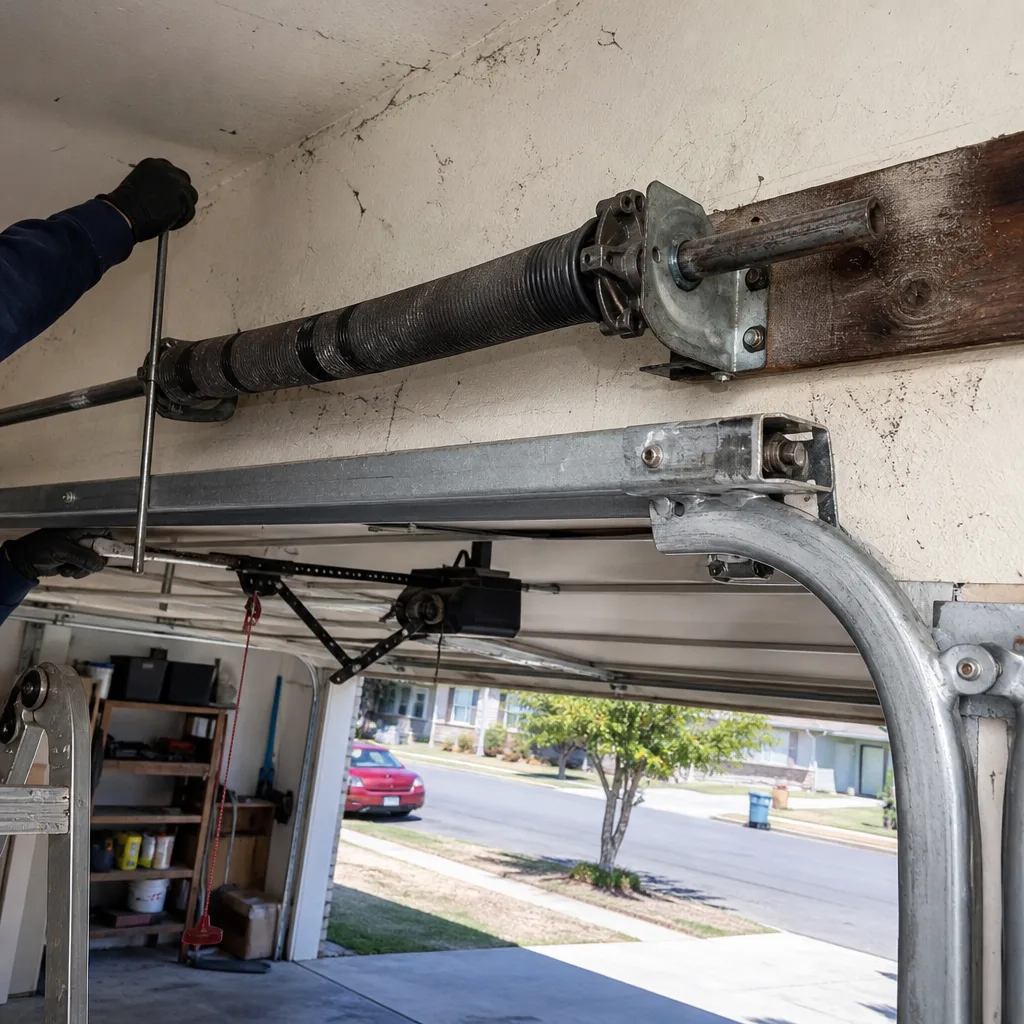 Before
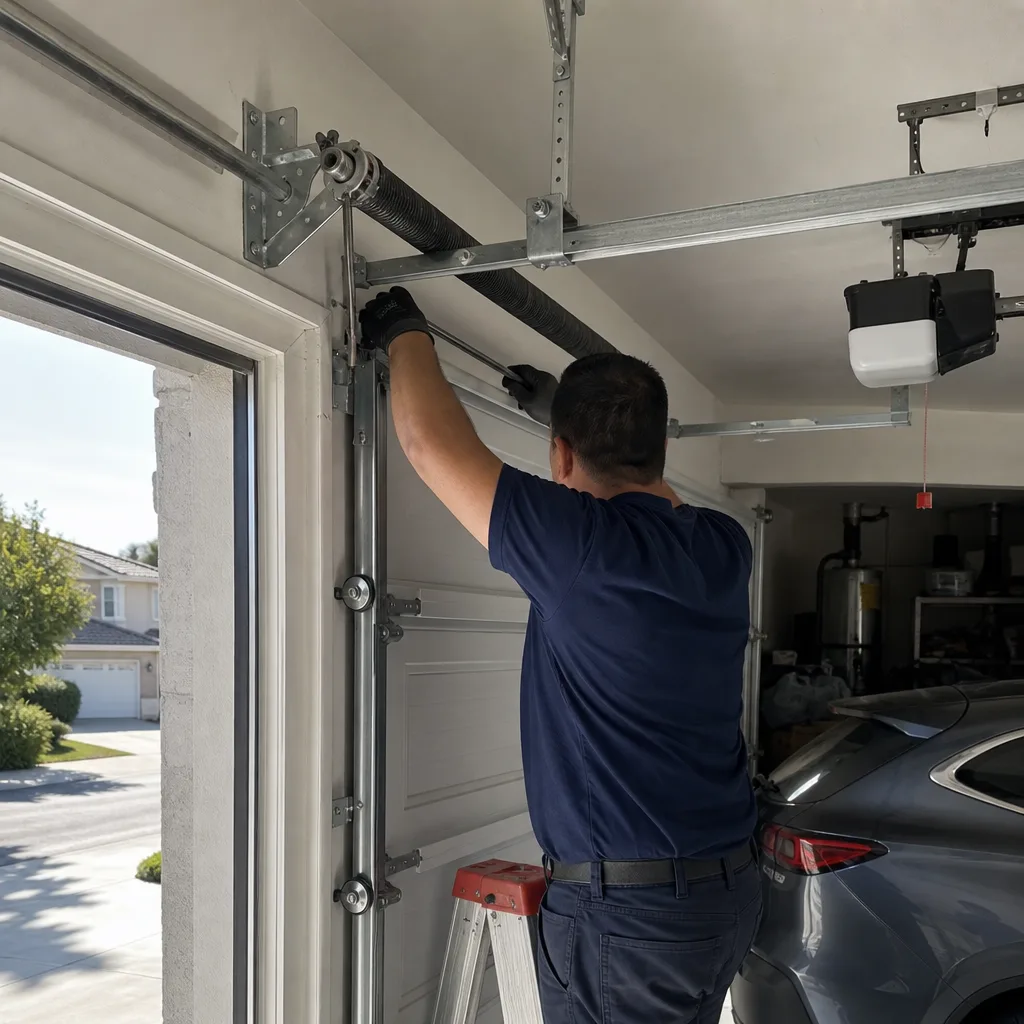 After
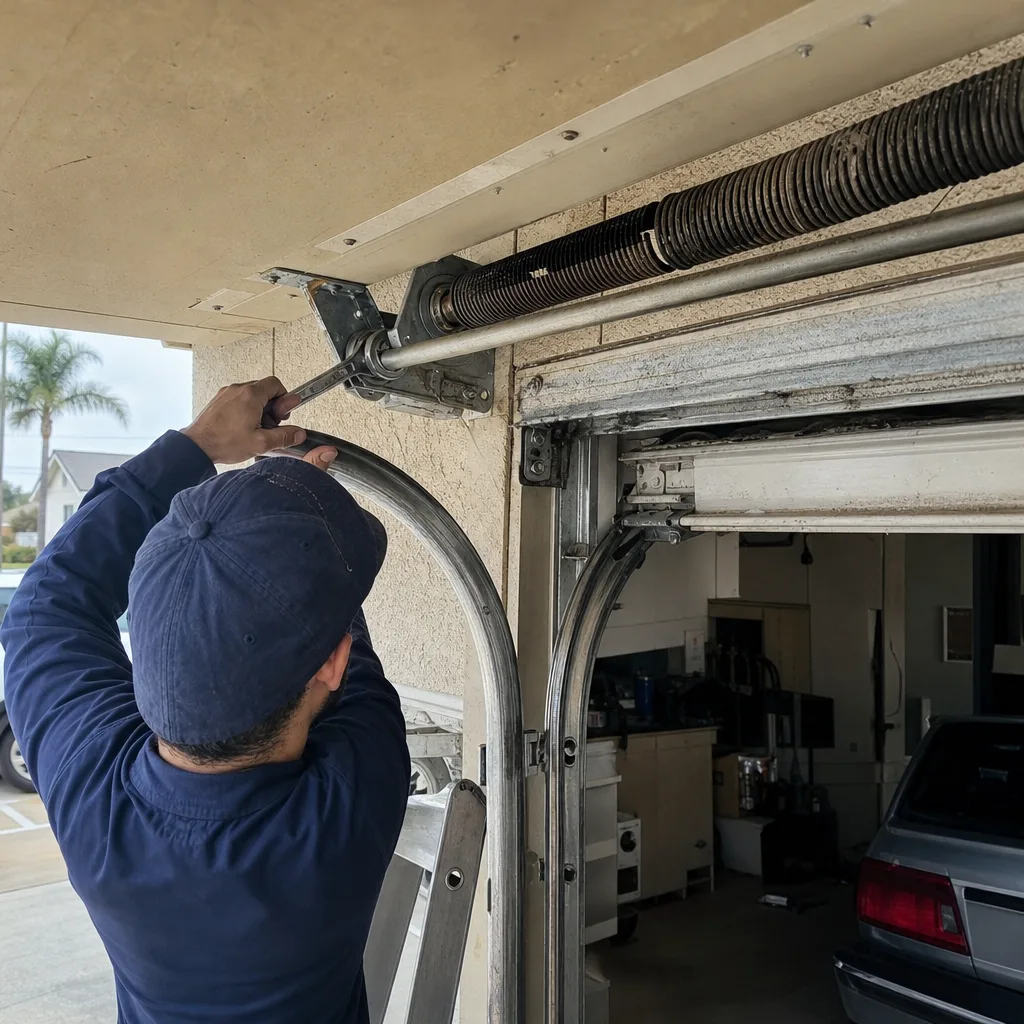 Before
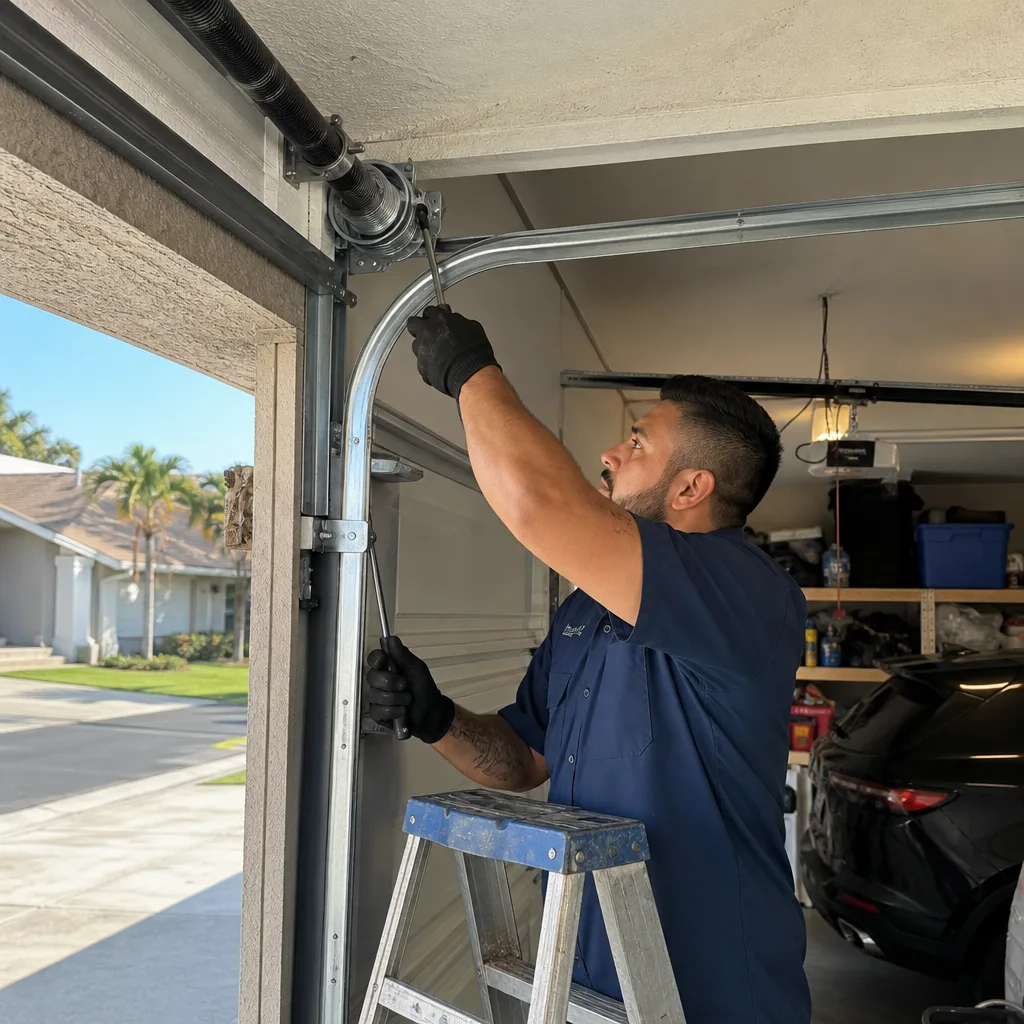 After
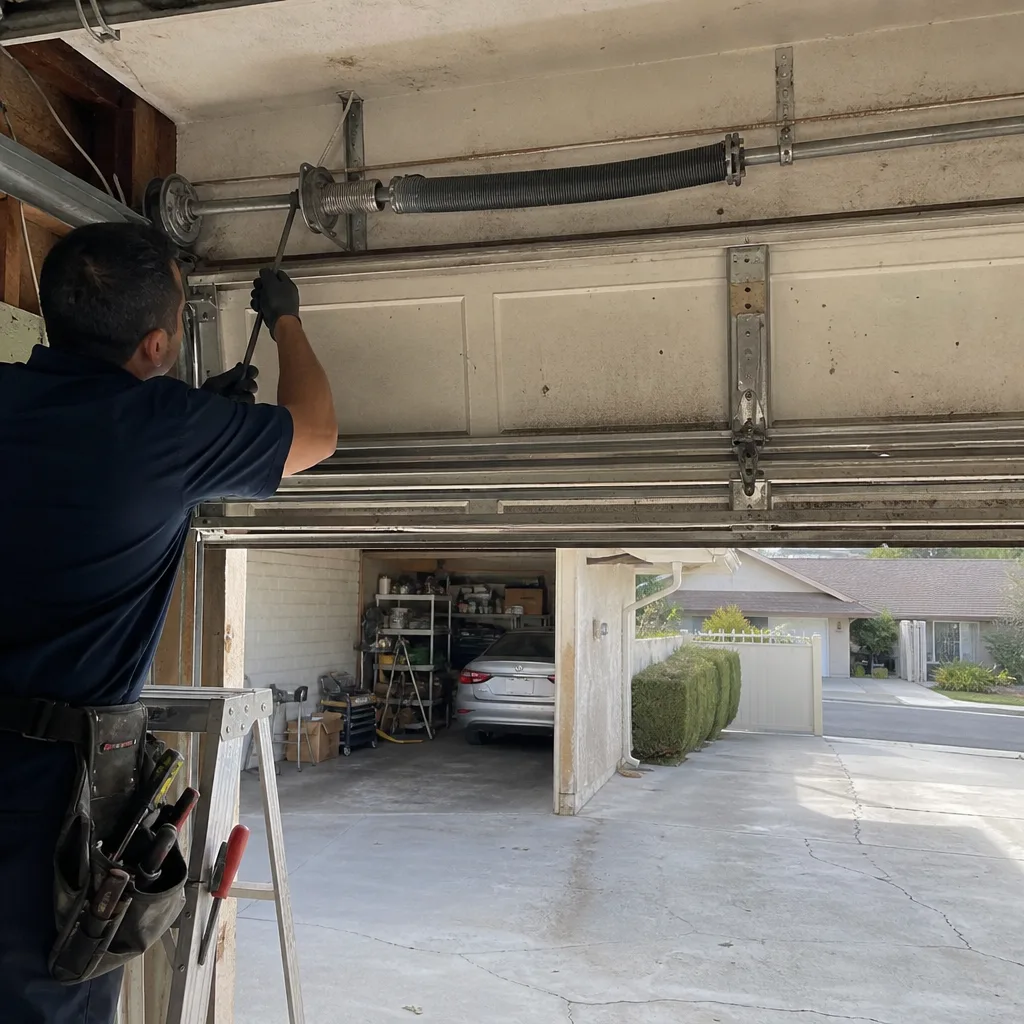 Before
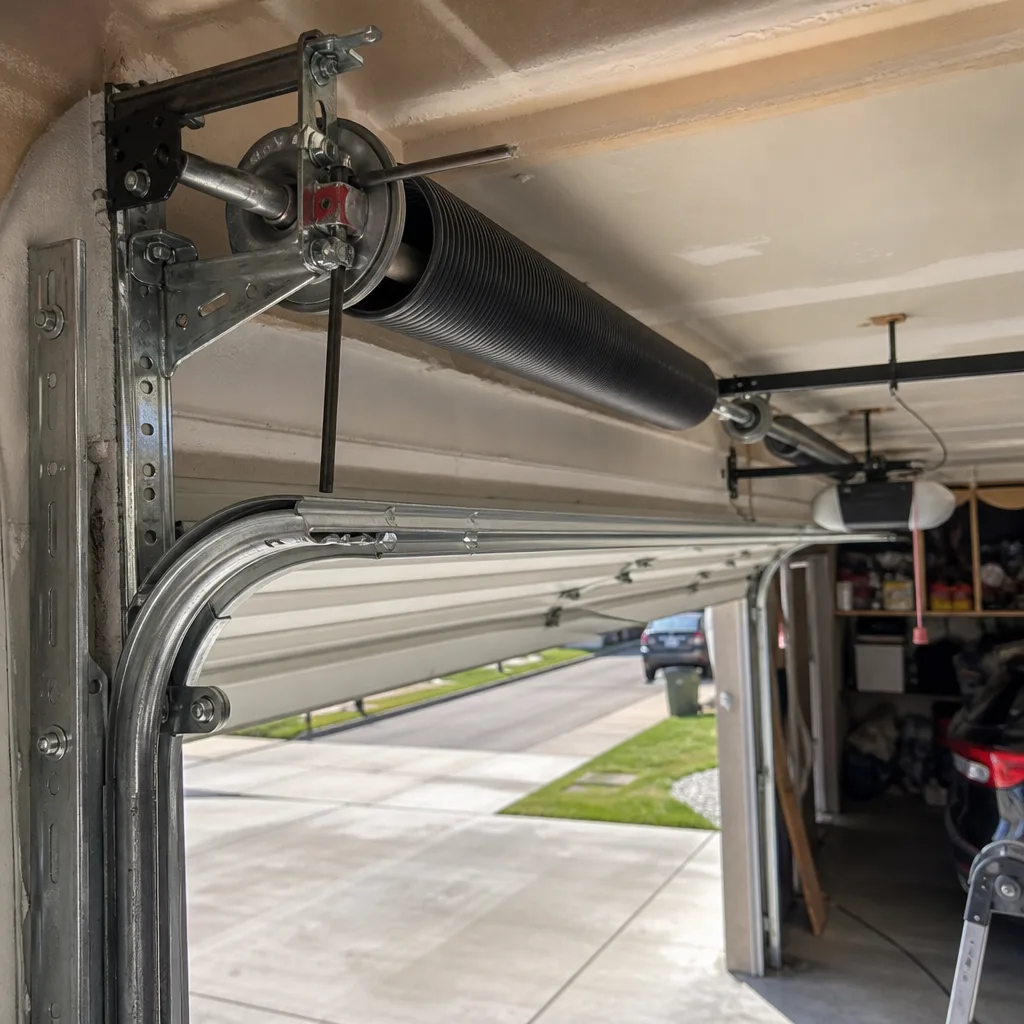 After