
Last updated November 3, 2026
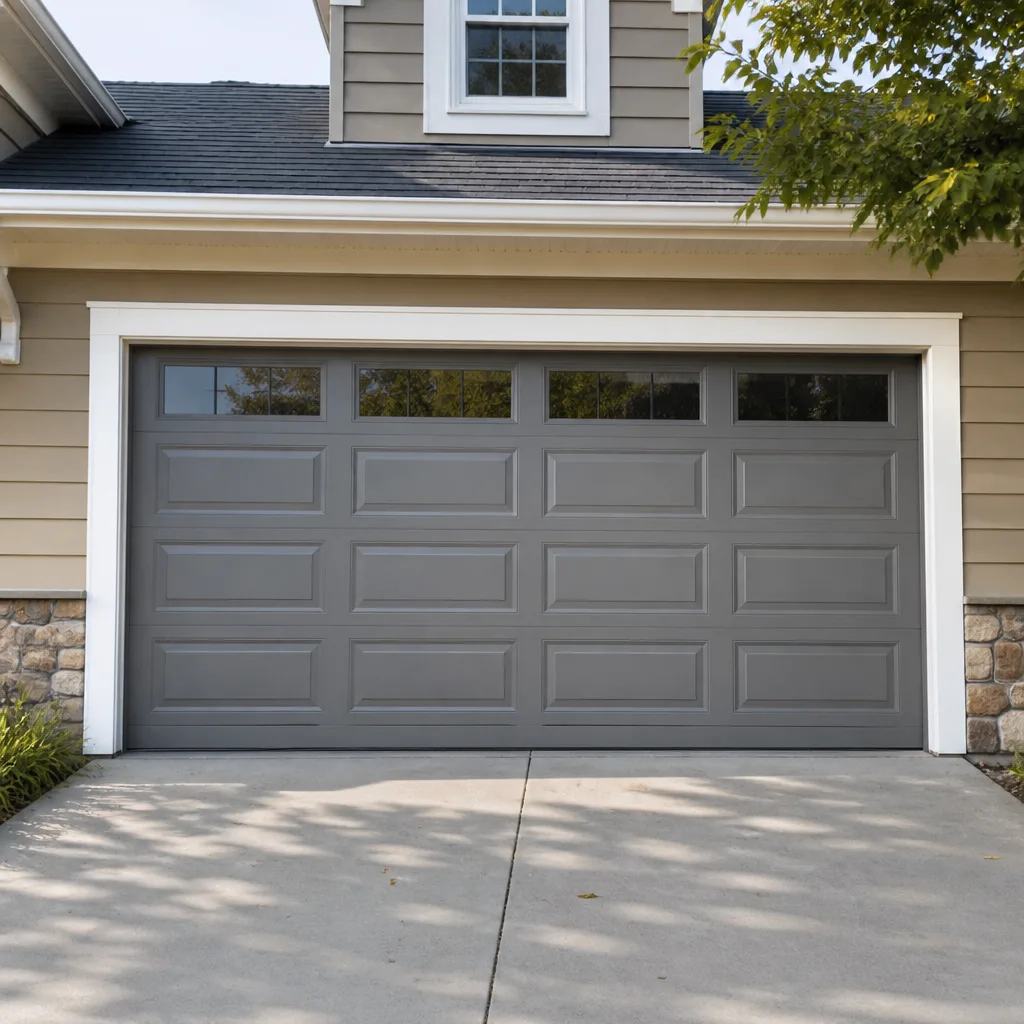 Raised-panel steel
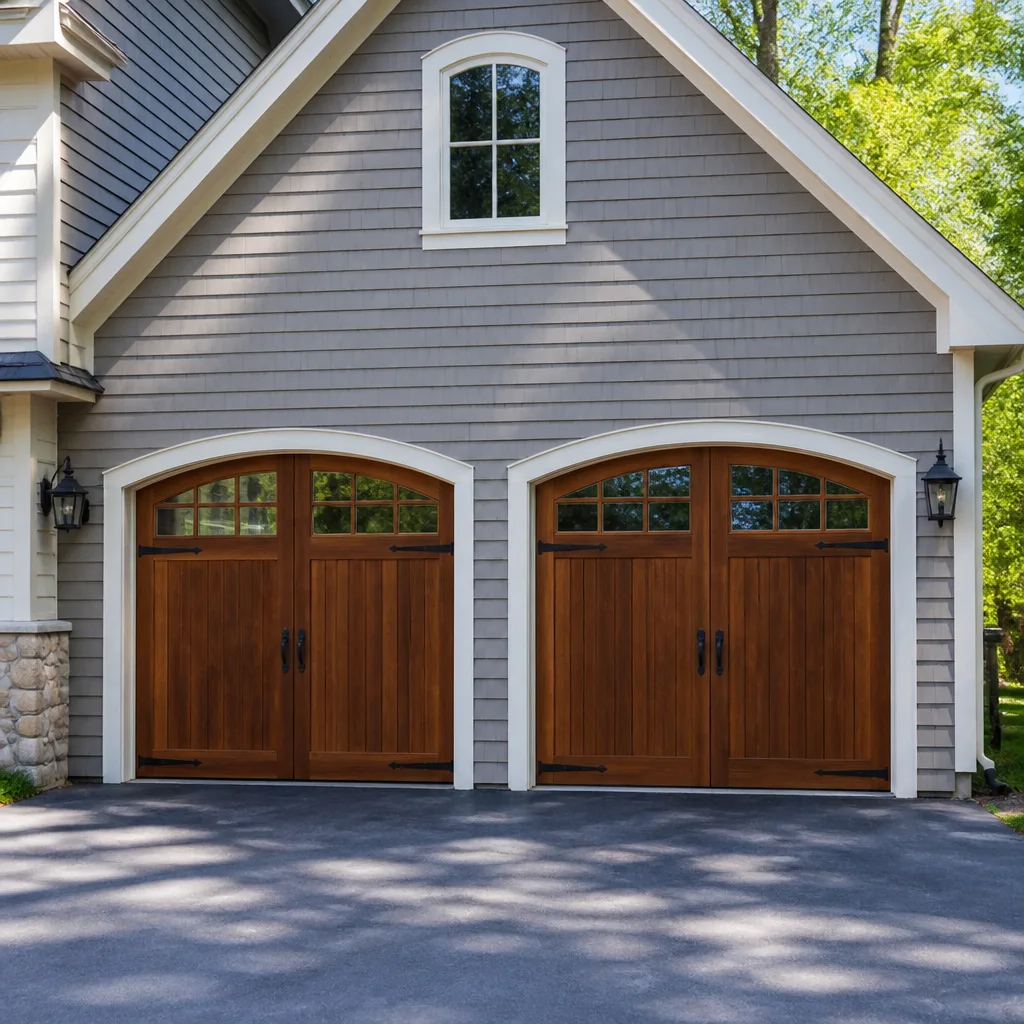 Carriage house
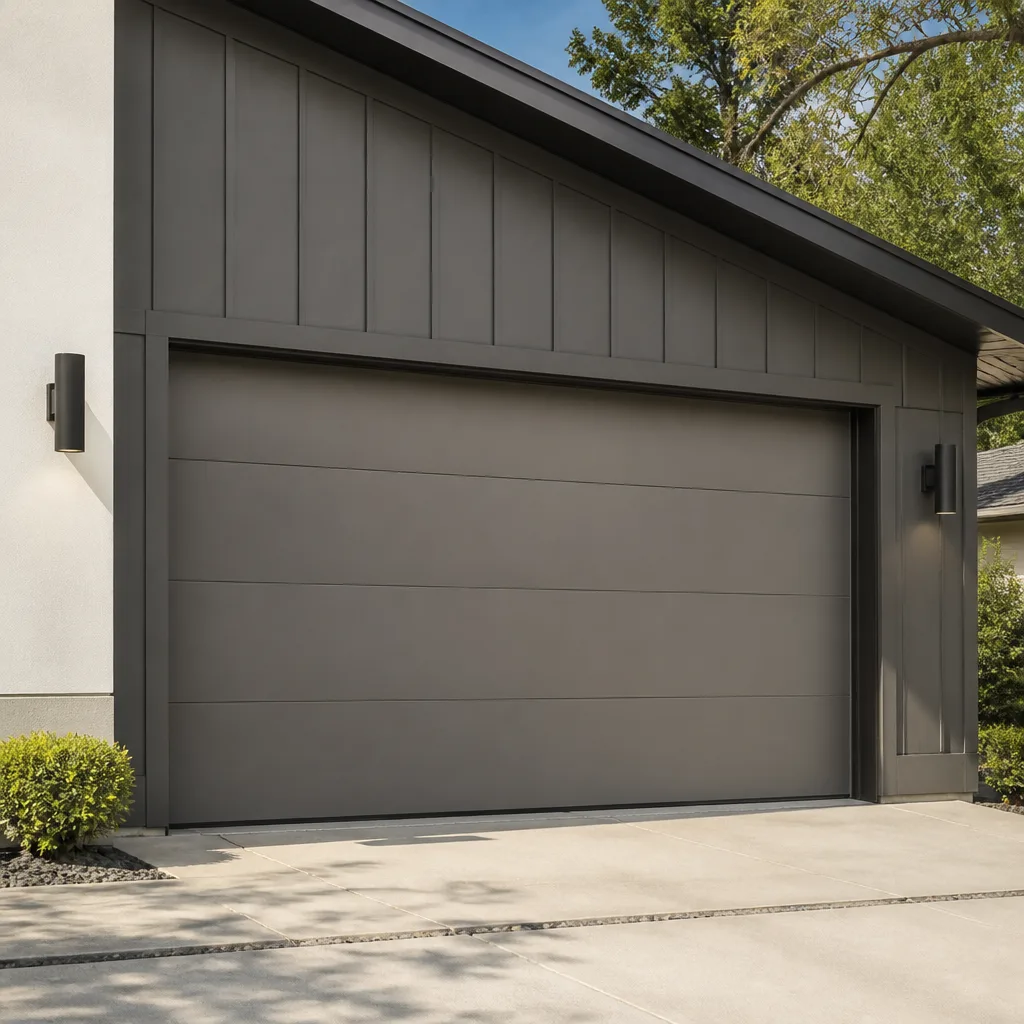 Modern flush
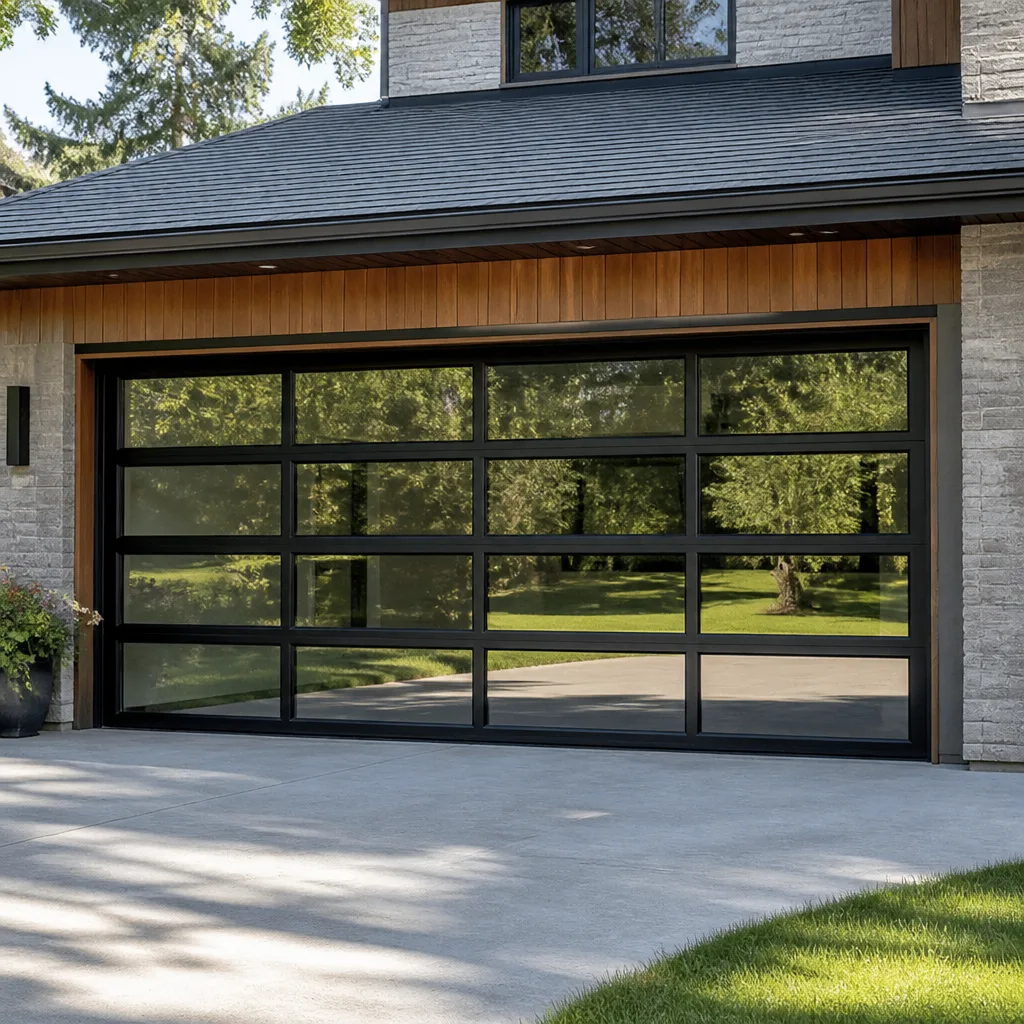 Full-view glass
 LiftMaster openers
 Chamberlain openers
Full 25-point door and opener safety check with every visit - springs, cables, rollers, tracks, and your LiftMaster or Chamberlain opener included
You get a price before we start. It does not change when the truck arrives.
Get your free estimateSeasonal Garage Door Care for Pomona: Year-Round Homeowner’s Guide
Pomona recorded 44 days above 95°F in a recent year, and that sustained heat does something most homeowners never consider: it changes the temper of garage door spring steel faster than manufacturer ratings assume. Those ratings are typically engineered around moderate climates, not the Inland Empire’s July and August reality. This guide walks through what Pomona’s actual weather patterns do to every major component of your garage door system, and what to do about it before a small issue becomes a 7 a.m. emergency. For a broader overview, see The Complete Garage Door Repair Guide for Pomona Homeowners.
Styles & brands we work with
- Raised-panel steel
- Carriage house
- Modern flush
- Full-view glass
- LiftMaster openers
- Chamberlain openers
Quick Answer
Seasonal garage door care in Pomona comes down to two stress periods: the summer heat peak (June through September) and the wet winter marine-push months (December through February). In summer, you’ll want to inspect weatherstripping, check panel finishes for UV damage, and watch for opener circuit-board overheating. In winter, focus on condensation inside the opener head, rust on cables and hardware, and roller lubrication. A 30-minute inspection in March and again in October prevents most mid-season failures.
Table of Contents
- Why Pomona’s Summer Heat Is Harder on Your Door Than You Think
- Summer Preparation: Weatherstripping, Panels, and Opener Electronics
- Winter Marine Push: Condensation, Cables, and Cold-Morning Misbehavior
- Why Spring and Fall Are the Right Time for Cable and Spring Inspections
- Adjusting Opener Force Settings as Temperatures Shift
- Lubrication for Pomona’s Dry Air: What to Use and What to Skip
- Month-by-Month Garage Door Care Quick Reference
- Common Mistakes to Avoid
- When to Call a Professional
- Frequently Asked Questions
- The Bottom Line
Why Pomona’s Summer Heat Is Harder on Your Door Than You Think
Most garage door maintenance advice is written for places with snow. Pomona doesn’t have that problem, but it has its own: sustained radiant heat. When your garage door faces south or west in neighborhoods like Phillips Ranch or Westmont, the panel surface can reach 140°F or higher on a 100°F day. That heat works its way into the spring steel, the polymer components, and the electronics mounted on your ceiling.
Torsion springs are rated for a specific number of cycles, but that rating assumes a moderate operating temperature. In our experience working on doors across Pomona, we regularly see springs that test below their rated cycle count when they’ve been through several Inland Empire summers. The steel loses temper incrementally, and the spring becomes weaker even before it visibly breaks. That’s why a spring that should last 10,000 cycles sometimes fails at 6,000 or 7,000 cycles in this climate. Homeowners on our Garage Door Repair in Pomona service route see this pattern regularly.
The opener head has its own problem. Most opener units, including Chamberlain and Genie models, are designed to dissipate heat through passive airflow. In a Pomona garage that traps 110°F air, the circuit board operates near the top of its temperature range for hours every afternoon. Capacitors age faster. Solder joints expand and contract. The opener doesn’t die immediately, but its service life shortens measurably.
What the Heat Actually Damages, in Order of Vulnerability
- Weatherstripping: The vinyl or rubber seal along the bottom of the door and the side jambs hardens and cracks after two to three Pomona summers. Once cracked, it no longer seals, and the gap lets in dust, pests, and hot air.
- Panel finish: Steel doors with baked-on coatings fade unevenly under direct UV. Fiberglass panels can develop surface chalking. Wood doors, less common in Pomona but present on some older homes near Lincoln Park, expand and contract at different rates than their frames.
- Roller bearings: Nylon rollers tolerate heat well, but the steel ball bearings inside them dry out as grease evaporates. Metal rollers get noisy long before they fail.
- Opener logic board: Sustained heat above 110°F in the garage accelerates electrolytic capacitor aging. Symptoms start as intermittent remote-control failures, which often get misdiagnosed as remote battery issues.
- Spring steel: Heat cycling reduces spring temper. This is invisible until the spring breaks or a technician tests the balance and finds the door heavier than it should be.
Summer Preparation: Weatherstripping, Panels, and Opener Electronics
The best time to prep for Pomona’s summer is April or early May, before the first big heat wave. Here’s a step-by-step approach that works whether you do it yourself or call a technician.
- Inspect the bottom weatherstrip (astragal). Run your hand along the bottom seal. If it feels stiff rather than pliable, or you see cracks when the door is in the up position, it’s time to replace it. A four-foot section of replacement seal costs under $20 at most hardware stores, and installation takes about 20 minutes with basic tools.
- Check the side and top jamb seals. These are the strips mounted to the door frame. In Pomona’s dry heat, the adhesive backing on aftermarket seals often fails before the seal itself. If you see gaps or peeling, remove and reinstall with fresh adhesive, or replace the strip entirely.
- Test the door balance. Pull the manual release cord and lift the door halfway by hand. It should stay put. If it drops or rises, the springs are either worn or improperly tensioned. This is a task for a trained technician because torsion springs are under high tension and can cause serious injury if handled incorrectly.
- Check panel surfaces. Look for fading, chalking, or bubbling in the paint or coating. Minor fade is cosmetic. Bubbling on a steel door can indicate the start of corrosion under the finish. Address it early with touch-up paint designed for garage doors.
- Listen to the opener motor. Run a full open-close cycle with the garage quiet. A healthy opener hums steadily. A straining sound, especially in the first seconds after startup, often means the opener is working against a door that’s gotten heavier due to spring wear, or the motor capacitor is weakening in the heat.
If any step turns up a problem you’re not comfortable addressing on your own, the cost of a service call is almost always less than the cost of a mid-summer failure. We work on the brand already in your garage, whether that’s a Chamberlain opener, a Genie, or something else entirely. If you’re considering a switch, read Choosing the Right Garage Door Brand: A Buyer’s Guide for Pomona. A technician who knows your specific equipment makes a faster diagnosis than someone who has to figure it out on site.
Winter Marine Push: Condensation, Cables, and Cold-Morning Misbehavior
Pomona’s winters are mild by most standards, but the marine push that brings overcast mornings and occasional overnight lows near freezing creates a specific problem: condensation. When warm daytime air cools rapidly inside an uninsulated garage, moisture collects on metal surfaces, including the opener head, springs, cables, and hinges.
That moisture is the enemy of steel cables. Garage door cables are galvanized, but they live under constant tension, and any nick or abrasion in the galvanization exposes bare steel. In a humid winter pattern like Pomona’s December through February stretch, those exposed spots rust quickly. A rusted cable doesn’t usually snap without warning; it frays first. If you see brown staining on the cable, or fuzzy strands where the cable wraps around the drum, that cable is on borrowed time.
Condensation inside the opener head is less visible but just as real. The circuit board may collect moisture that causes intermittent behavior: the door opens but won’t close, the lights flicker, or the remote works only sometimes. On openers that support smart-home features, like Chamberlain’s myQ or Genie’s Aladdin Connect, condensation-related board issues can make the WiFi connection drop and re-sync unpredictably.
Winter is also the season when door rollers and hinges, stiffened by cold and moisture, put extra load on the opener. A door that ran smoothly in October may labor in January, not because anything broke but because everything’s working harder. Routine lubrication in December reduces this effect significantly.
Winter Maintenance Checklist for Pomona Homes
- Wipe down cables with a clean rag and inspect for fraying or rust.
- Check the opener head for signs of moisture: water spots, corrosion on screws, or a musty smell when you open the cover.
- Verify that the safety reversal system works by placing a roll of paper towels under the closing door. It should reverse on contact. If it doesn’t, that’s a code violation and a safety hazard, not just a maintenance item.
- Re-lubricate rollers, hinges, and the torsion spring with a silicone-based lubricant. Avoid WD-40 on the spring; it displaces the thicker grease that keeps coils from binding.
- If the garage is attached to the house, check that the door from the garage into the home has a working weather seal and self-closing hinge. This is a fire-rated concern as much as a comfort concern.
Why Spring and Fall Are the Right Time for Cable and Spring Inspections
Every season matters, but spring and fall are the two points in the year when a garage door professional gets the clearest read on component health. The logic is simple: these seasons sit between the two stress extremes, so inspection reveals the accumulated damage from the previous season before the next one begins.
In March, you’re seeing the after-effects of winter moisture. Cables that rusted during the marine-push months will show it now. Spring tension that changed when cold condensation cycles hit the steel is measurable now. If a problem exists, catching it in March means fixing it before the first 100°F day adds heat stress to an already compromised component.
In October, you’re seeing the after-effects of summer. Spring steel that lost temper during the heat peak will show reduced tension. Weatherstripping that baked in the sun will be brittle and cracked. Opener circuit boards that ran hot all summer may show the first signs of intermittent failure. Catching these problems in October gives you a comfortable window to schedule repair work before the holidays and the winter rain season.
Spring and fall are also the seasons when our Garage Door Opener Repair in Pomona technicians see the most effective preventive maintenance results. A door that gets a professional tune-up in October rarely fails on the coldest morning of the year. Door side or opener side, we diagnose both, which means a single visit covers the full system rather than treating one symptom and missing another.
Adjusting Opener Force Settings as Temperatures Shift
Your garage door opener has two adjustable force settings: one controls how much force the motor applies when opening, the other when closing. These settings are calibrated at installation for a specific door weight and track friction. But temperature changes both of those variables.
In summer heat, metal track rails expand slightly, and lubricant thins. The door actually moves more easily, which means the opener’s force setting is now higher than necessary. That’s not a problem for operation, but it is a problem for safety: the reversal system, which depends on sensing resistance, may not trigger as quickly if something is in the door’s path.
In winter, the opposite happens. Track rails contract, lubricant thickens, and the door is slightly harder to move. The opener’s force setting may now be too low, causing the opener to reverse mid-cycle without any obstruction. This is the classic “my door opens halfway and then stops” complaint that peaks in January and February.
Adjusting force settings is a simple procedure on most openers, but it’s also one that requires understanding how the door is supposed to behave. The safety reversal should trigger with moderate resistance, not strong resistance. If you’re not sure how to calibrate this properly, a professional adjustment is inexpensive and takes only a few minutes. The alternative is a door that either won’t close on a cold morning or won’t reverse when it should, which is a genuine safety risk.
On openers with smart-home connectivity, force settings are sometimes adjusted through the manufacturer’s app rather than physical dials on the unit. Chamberlain and LiftMaster openers using myQ, and Genie units with Aladdin Connect, expose these controls in their respective apps. The interface differs by brand, which is another reason brand familiarity matters when you’re troubleshooting a specific opener.
Lubrication for Pomona’s Dry Air: What to Use and What to Skip
Pomona’s climate has a quirk that changes the lubrication equation. Our air is dry most of the year, which means lubricants don’t wash away, but they do thicken and collect dust. That dust then becomes an abrasive paste on moving parts. The result is that lubrication in Pomona needs to happen more often than in humid climates, but with the right product, not just any product.
What to use: A silicone-based spray lubricant or a white lithium grease designed for garage doors. Silicone works well on nylon rollers and the torsion spring. White lithium grease is better for metal rollers and hinges. Both are available at any hardware store in Pomona for under $10.
What to skip: WD-40 and other penetrating oils. These are designed to break up rust, not to lubricate under load. On a torsion spring, WD-40 actually strips the light grease that keeps coils from binding against each other, which can make spring operation noisier and less smooth over time. Motor oil is also a poor choice; it’s too heavy, attracts dust aggressively, and drips onto the door face.
The lubrication points that matter are the torsion spring (where the coils meet), the roller bearings (a drop on each side, not a soak), the hinges (at the pivot points), and the opener rail (if it’s a chain-drive or screw-drive model). Belt-drive openers like many newer Chamberlain units don’t need rail lubrication at all, which is one reason they’ve become popular in Pomona’s dusty conditions.
Month-by-Month Garage Door Care Quick Reference
This table is built around Pomona’s actual climate patterns, not a generic four-season template. Use it as a once-a-month reference point.
| Month | What to Do | Why It Matters in Pomona |
|---|---|---|
| January | Check cable rust, test safety reversal, note any mid-cycle reversals | Marine-push moisture peaks; cold mornings stress cables and force settings |
| February | Wipe moisture from opener head, re-test remote range | Condensation in the opener is commonest during late winter |
| March | Full spring and cable inspection, balance test | End of wet season reveals rust and stress damage before heat season |
| April | Replace weatherstripping if cracked, touch up panel finish | Last comfortable month to do outdoor-facing work before heat peak |
| May | Lubricate all moving parts, check opener cooling airflow | Heat begins; lubrication and airflow reduce midsummer failures |
| June | Monitor garage temperature on hot days, watch for remote lag | First 100°F days strain opener electronics |
| July | Check panel surface for heat-related bubbling, re-test balance | Heat peak; springs lose temper fastest during this month |
| August | Re-lubricate, inspect bottom seal for heat cracking | Dry heat continues; seals and rollers dry out |
| September | Light inspection after heat season ends | Residual heat stress is visible; plans can be made before October |
| October | Full inspection, professional tune-up if needed | Optimal time for cable and spring work before winter |
| November | Check weatherstripping fit, clean opener head exterior | Prepares the door for winter moisture arrival |
| December | Lubricate for cold weather, verify force settings | Thicker lubricant and colder tracks require recalibration |
Common Mistakes to Avoid
- Ignoring a noisy door because it still works. A grinding, squealing, or rattling door is telling you something. In Pomona’s dry air, a lack of lubrication causes metal-on-metal wear that turns a $50 service call into a $300 component replacement if ignored through a full summer.
- Using WD-40 on the torsion spring. It strips the spring’s protective grease and doesn’t provide lasting lubrication. The spring gets noisier, not quieter.
- Skipping winter lubrication because “it never gets that cold here.” Pomona’s winter problem is moisture, not temperature. Unlubricated cables and hinges rust faster during marine-push months.
- Assuming the opener is the problem when the door won’t move. In many cases the opener is fine and the door itself is the problem: a broken spring, a jumped cable, or a door off its track. Door side or opener side, we diagnose both, because replacing a working opener doesn’t fix a broken spring.
- Putting off a spring replacement because the door still opens manually. A door with a broken spring can often be lifted by hand, which makes homeowners think it’s not urgent. But the opener is now lifting dead weight, which destroys the opener motor and gears quickly. The repair cost multiplies.
- Guessing at force-setting adjustments without understanding the reversal system. A door that doesn’t reverse on obstruction is a code violation and a safety hazard. If you’re not sure, leave it to someone who is.
When to Call a Professional
Some seasonal maintenance is appropriate for a homeowner with basic tools and a step stool. Other jobs need a trained technician, not because they’re complicated, but because the failure mode is dangerous. Torsion springs are under hundreds of pounds of tension; a spring that snaps during a DIY adjustment can cause serious injury. Cables under tension are similarly unforgiving. If your door is off its track, if a cable is visibly frayed, or if the spring is broken, those are professional calls.
The opener’s motor and circuit board are also areas where a misdiagnosis wastes money. Replacing an opener because the logic board failed is one thing; replacing it because the force setting was wrong is another. A technician who knows the difference pays for themselves in avoided parts cost.
Garage Door Service Pomona offers free estimates in Pomona, and our service covers eight major brands, including Chamberlain, Genie, Clopay, Amarr, and Wayne Dalton, so you don’t need to track down a brand-specific specialist. Same company, whether it’s a tune-up or a full replacement. Call (866) 282-7068 to schedule an inspection or ask about anything in this guide.
Frequently Asked Questions
A basic seasonal tune-up in Pomona typically ranges from $85 to $150, depending on the door type and whether any parts need replacement during the visit. The price is quoted and agreed before any work starts, so there’s no surprise invoice at the end. Call (866) 282-7068 for an exact quote; estimates are free.
Same-day service is available for most repair situations in Pomona, particularly for broken springs, snapped cables, or openers that have stopped working entirely. Call (866) 282-7068 as early as possible in the morning for the best shot at a same-day appointment.
No. The price for any recommended work is quoted and agreed before anything is done. If the inspection reveals additional issues, those are quoted separately and require your approval before proceeding.
Most service trucks are stocked with common springs, cables, rollers, weatherstripping, and opener components for the major brands, including Chamberlain, Genie, and Clopay. This means most repairs in Pomona are completed in a single visit rather than waiting on a parts order.
Twice a year is the baseline: once in May before the heat peak and once in December before the winter moisture season. Doors that face direct afternoon sun or see heavy daily use (four or more cycles per day) benefit from a third lubrication in September.
A door-side problem involves the physical door: springs, cables, rollers, hinges, tracks, and panel hardware. An opener-side problem involves the motor unit, circuit board, remote controls, safety sensors, and drive mechanism. Symptoms can overlap, which is why diagnosing both sides in the same visit saves time and money. That’s also why our Garage Door Installation in Pomona work includes full system assessment, not just a new door bolted to old hardware.
The Bottom Line
Pomona’s garage doors fail in predictable patterns: heat-weakened springs in late summer, moisture-corroded cables in late winter, and opener electronics aging faster than the manufacturer’s stated lifespan because of sustained garage heat. A twice-yearly inspection in March and October, combined with basic lubrication and weatherstripping care, prevents most of these failures. Explore more guides & resources for year-round garage door care. When a problem does occur, knowing whether it’s the door or the opener saves time, and working with a shop that handles both sides, across eight major brands, saves a second service call.
If you’re in Pomona and your garage door needs attention, or you’d like a seasonal inspection before the next temperature swing, call Garage Door Service Pomona home at (866) 282-7068. Estimates are free, the price is agreed before work starts, and we work on the brand already in your garage.
Written by the team at Garage Door Service Pomona, serving Pomona since 2016.
See the difference
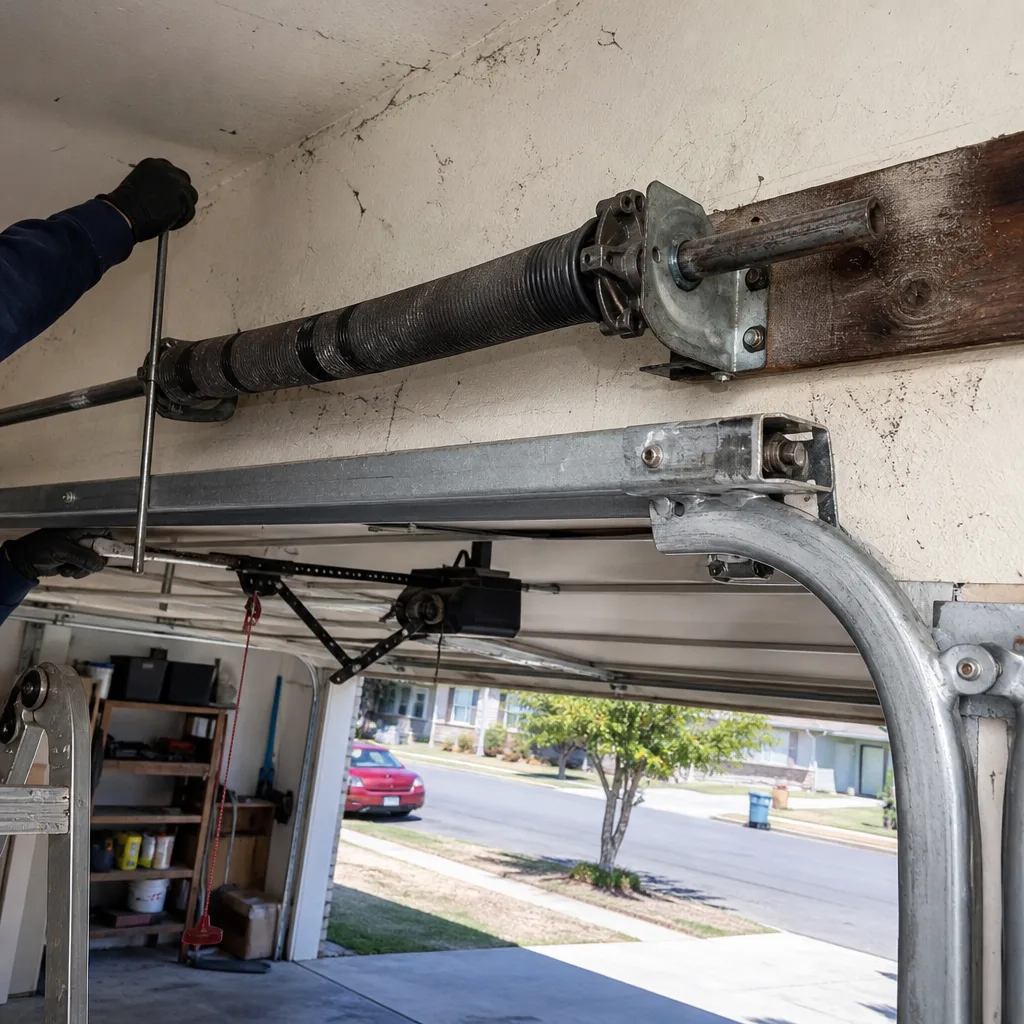 Before
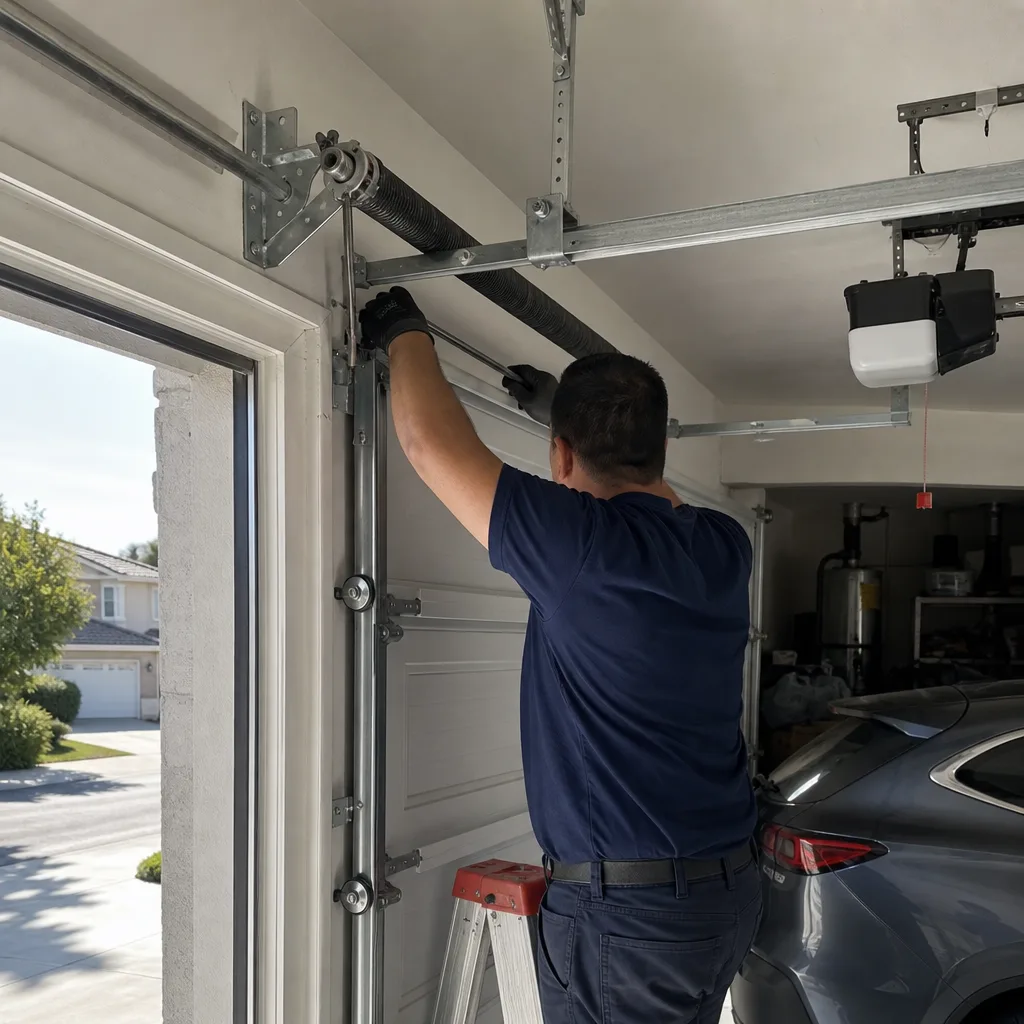 After
 Before
 After
 Before
 After